science
North Atlantic Right Whale Population Declines Again, Deepening Extinction Alarms Among Marine Scientists
The critically endangered North Atlantic right whale population has slipped to an estimated 382 individuals, as persistent threats from vessel collisions, commercial fishing gear entanglements, and climate shifts continue to outpace modest calving gains.
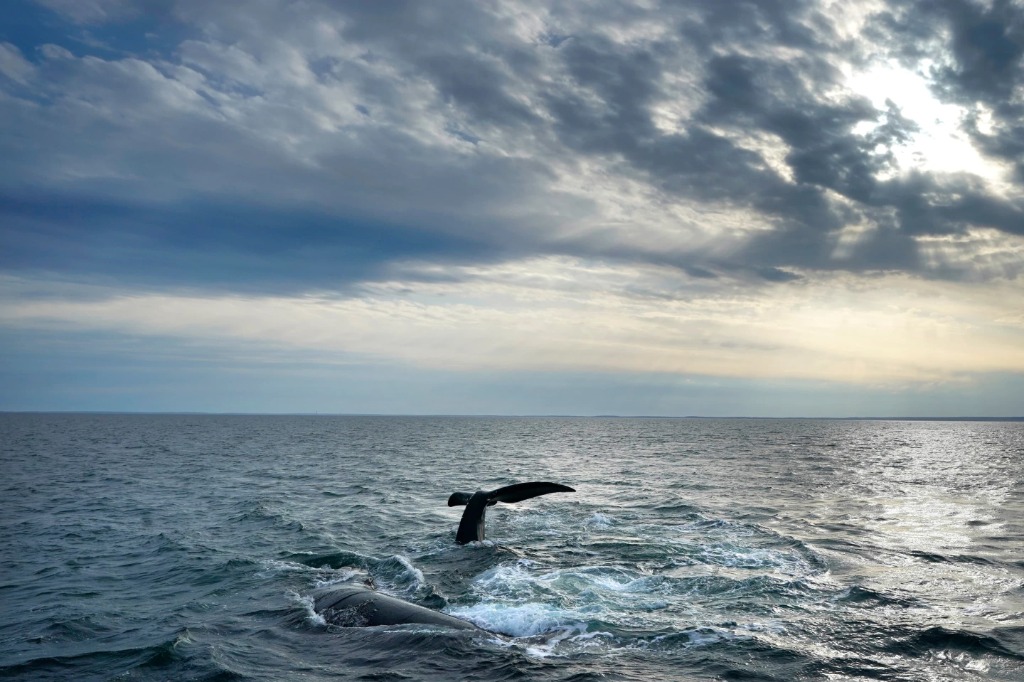
The critically endangered North Atlantic right whale has suffered another setback in its precarious fight for survival, with its estimated population declining to just 382 individuals, according to newly released annual data from the North Atlantic Right Whale Consortium. The estimate represents an alarming slide from a revised figure of 389 the previous year, underscoring that human-caused mortalities continue to drive the iconic marine mammal toward functional extinction despite heightened awareness and localized conservation measures along the eastern seaboards of the United States and Canada. Marine biologists and oceanographic researchers warn that the species remains down roughly 20 percent from its modern peak of 483 animals recorded in 2011, leaving virtually no margin for error if the population is to recover.
The crisis is compounded by the dwindling number of reproductively active females, currently estimated at approximately 73, whose health and calving intervals have been severely degraded by repeated non-fatal entanglements in heavy commercial fishing gear and the physical stress of dodging vessel traffic. While scientists noted a modest beacon of hope with 24 calves documented during the most recent birthing season off the coast of the southeastern U.S. — the highest count recorded in over a decade — researchers emphasized that infant survival cannot counterbalance the continuous toll of severe injuries and premature adult deaths.
Ship collisions remain a primary killer, as large cargo vessels, container ships, and fast-moving recreational craft frequently cross migratory corridors that overlap with heavy maritime trade routes. Furthermore, climate-driven ocean warming has disrupted the distribution of copepods, the microscopic, lipid-rich crustaceans that form the staple of the right whale's diet. As warming currents force these prey patches further north into the Gulf of St.
Lawrence and offshore waters where seasonal vessel speed limits and gear regulations have historically been weaker or absent, whales are pushed directly into higher-risk shipping lanes and dense crab and lobster fisheries. Conservation groups are renewing urgent calls for federal regulators in Washington and Ottawa to expand mandatory seasonal vessel speed restrictions and accelerate the transition to ropeless, on-demand fishing gear technologies. Without decisive, enforceable cross-border protections and rapid technological interventions, marine scientists caution that the North Atlantic right whale could become the first large whale species driven to extinction in modern history..
Nystate News FavoritesNystate News Favorites
Read More