science
SpaceX Makes History as Starship Spacecraft Returns From Orbit and Is Caught Mid-Air by Launch Tower Arms
In an unprecedented aerospace breakthrough, SpaceX has successfully recovered its orbital-class Starship spacecraft using the mechanical chopstick arms of its Starbase launch tower, validating a revolutionary architecture designed for fully and rapidly reusable spaceflight.
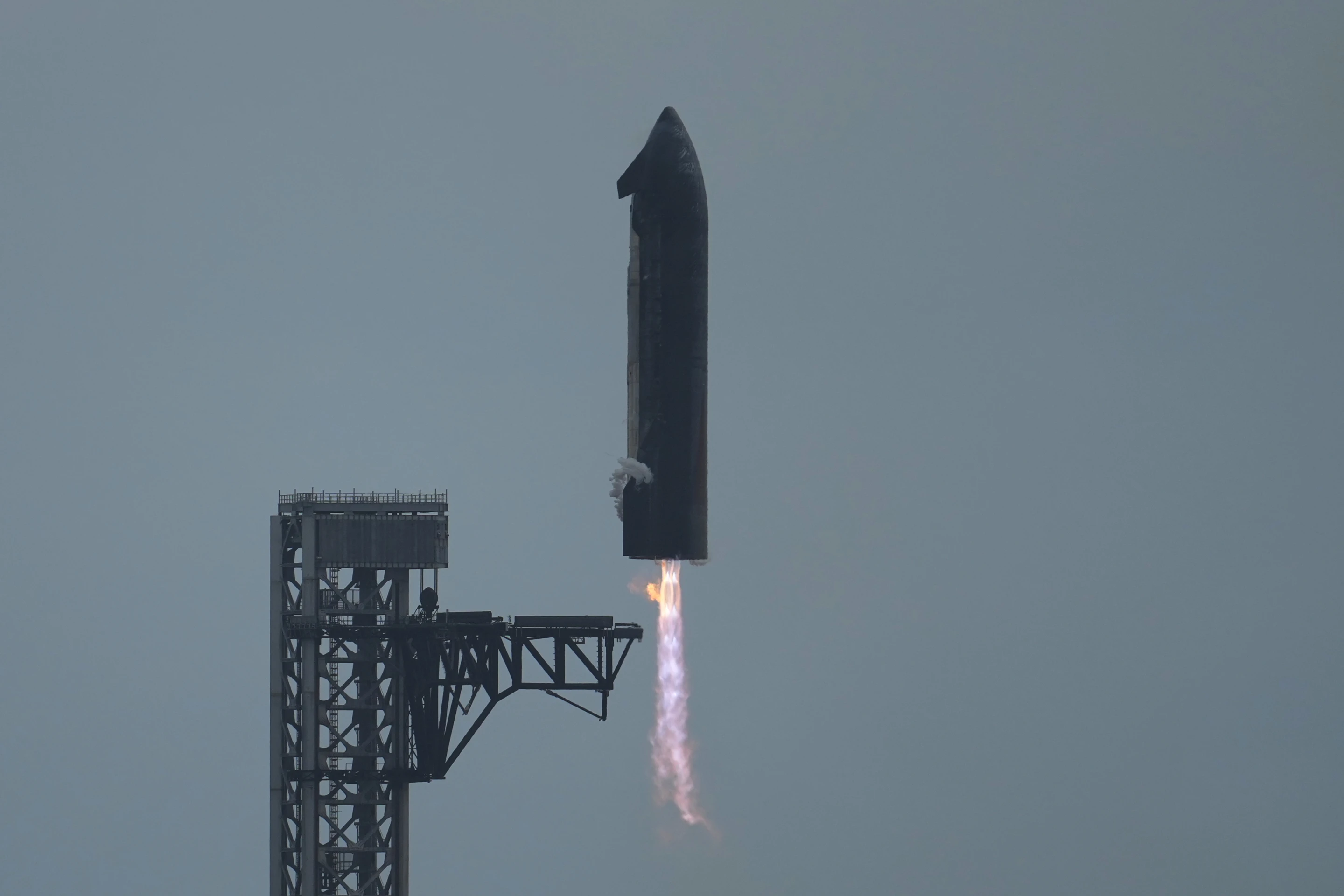
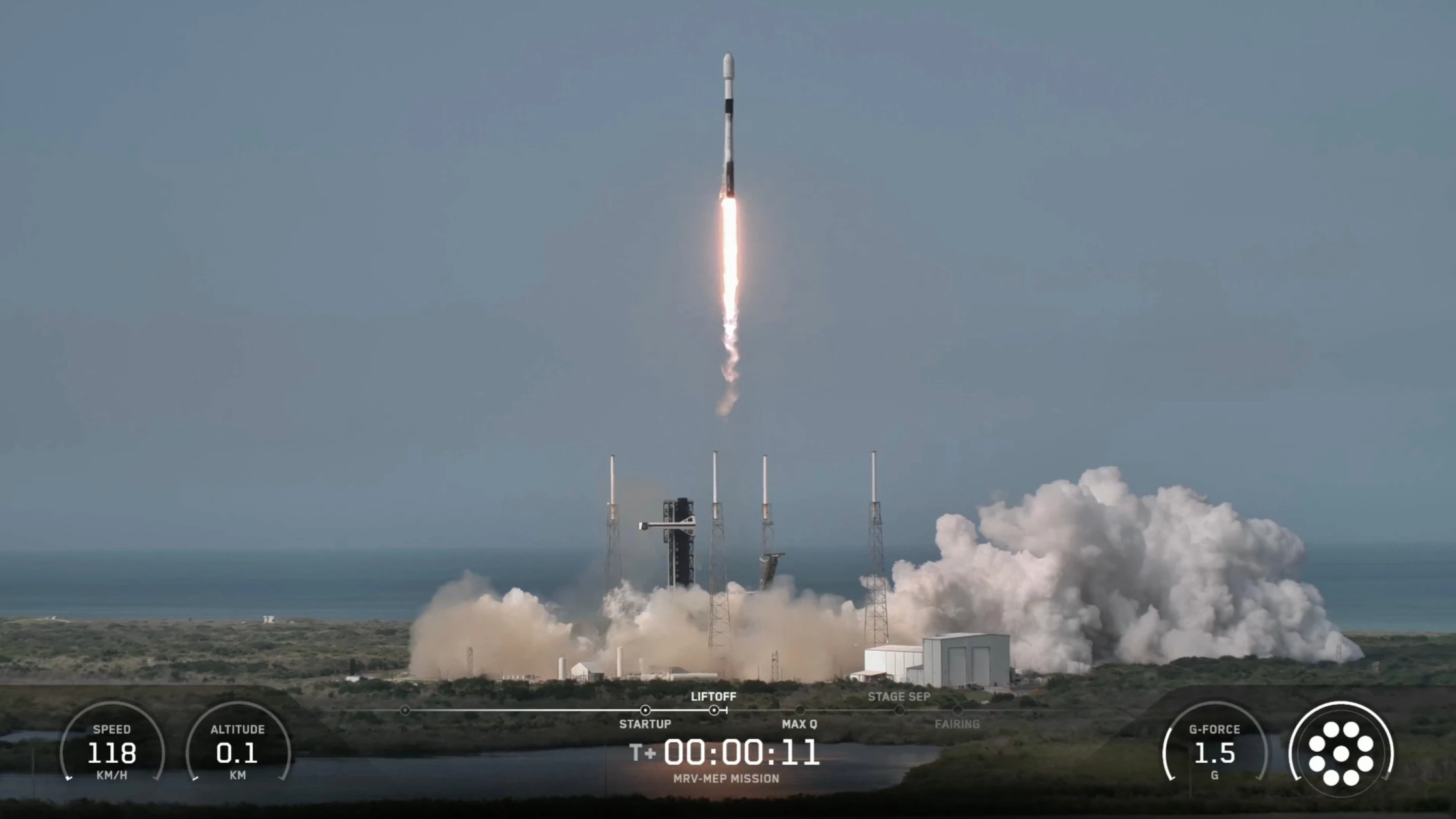
In a breathtaking achievement that marks one of the most audacious engineering milestones in the history of human spaceflight, SpaceX has successfully returned its orbital-class Starship spacecraft from space and caught it mid-air using the giant mechanical arms of its launch tower at Starbase in Boca Chica, Texas. The dramatic maneuver, executed with pinpoint precision during Starship Flight 15, represents the first time an orbital-class upper-stage spaceship has ever been recovered directly out of the sky at its launch site, bringing Elon Musk’s vision of fully and rapidly reusable rocketry closer to operational reality than ever before. The mission commenced from the southern tip of Texas as the 400-foot-tall integrated launch system roared off the pad powered by 33 Raptor engines, sending the massive Starship upper stage, designated Ship 42, into low Earth orbit.
Over the course of approximately 22.5 hours and 14 complete orbits around the planet, the stainless-steel vehicle conducted critical operational trials, including the successful deployment of 26 next-generation Starlink V3 broadband satellites and in-space engine relight tests designed to validate deorbit burns. As the spacecraft prepared for its return, flight controllers initiated an atmospheric reentry that subjected the vehicle's thermal protection system to searing temperatures exceeding 2,700 degrees Fahrenheit. Guiding itself through the hypersonic glide phase with aerodynamic flap deflections, Ship 42 decelerated across the skies before re-igniting its center Raptor engines to flip into a vertical orientation just moments before touchdown.
Slowing to a precise hover alongside the monumental 480-foot 'Mechazilla' launch tower at Orbital Launch Pad 2, the spacecraft was cleanly captured by the dual mechanical 'chopstick' arms, which clamped firmly onto its structural catch pins, extinguishing the rocket engines and suspending the massive vehicle safely above the ground. While the flight fell short of a dual-catch objective after the Super Heavy booster experienced a propellant guidance anomaly that necessitated an automated offshore diversion and splashdown in the Gulf of Mexico, the recovery of the upper-stage spacecraft fundamentally alters the economics of space exploration. Unlike traditional orbital capsules that require recovery ships at sea or parachuted desert touchdowns that inflict heavy wear on sensitive thermal tiles, tower-based mid-air catches eliminate the mass of heavy landing legs and pave the way for rapid turnaround times measured in hours rather than months.
NASA leadership and international space agencies closely watched the trial, as modified variants of the Starship spacecraft serve as the foundational Human Landing System for the Artemis lunar exploration campaign, intended to return American astronauts to the Moon's South Pole. By demonstrating that a spacecraft of this colossal scale can launch into orbit, deploy commercial payloads, survive the brutal friction of atmospheric reentry, and return directly to its launch mount, SpaceX has crossed a threshold that skeptics long deemed impossible, inaugurating a transformative era in commercial space transportation, interplanetary exploration, and orbital infrastructure..
Nystate News FavoritesNystate News Favorites
Read More