science
Private Mission Launches to Extend Life of Out-of-Gas Communication Satellites
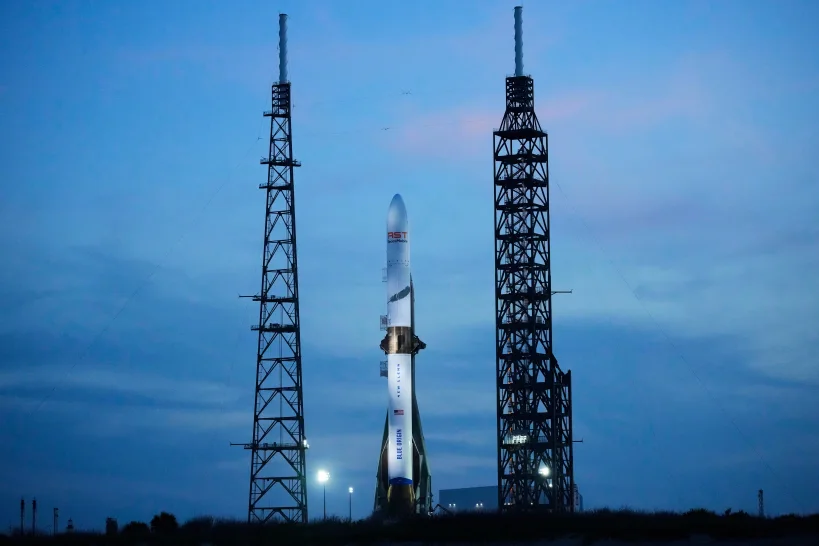
A private space mission has launched a satellite servicing effort designed to extend the operational life of aging communication satellites running low on fuel, potentially transforming the future of space infrastructure management.
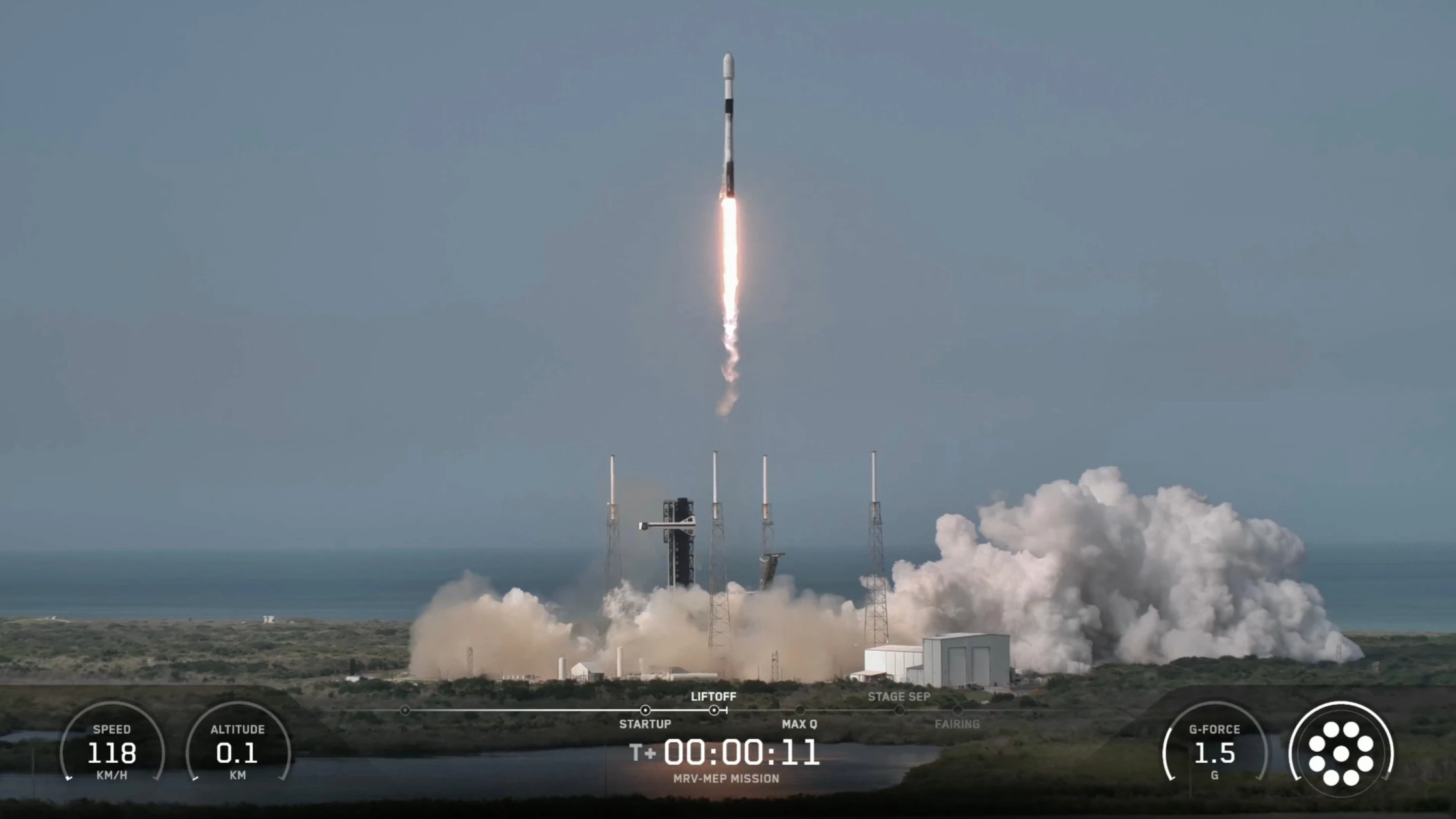
A private space mission has launched a groundbreaking effort aimed at extending the operational life of aging communication satellites that are running out of fuel, marking a major development in the growing field of in-orbit satellite servicing and space infrastructure maintenance. The mission represents a shift in how companies and space agencies approach the challenges of managing the increasingly crowded orbital environment. Instead of replacing expensive communication satellites after they reach the end of their fuel supply, satellite servicing technology offers a new solution by allowing spacecraft to be repaired, refueled, repositioned, and upgraded while already operating in space.
Communication satellites play a critical role in modern society by supporting television broadcasting, internet connectivity, navigation systems, emergency communications, and global data networks. Many of these satellites are designed with limited fuel reserves that allow them to maintain their correct orbital positions for a specific operational period. Once their propellant is depleted, even if their instruments remain functional, they often lose the ability to maintain their position and must eventually be retired.
The new private mission seeks to change that model by providing life-extension services that could keep valuable satellites operational for additional years. The launch highlights the rapid growth of the commercial space industry, where private companies are developing technologies once considered possible only for government space programs. Satellite servicing missions require advanced robotics, precise navigation systems, autonomous operations, and sophisticated docking technology to safely approach and interact with spacecraft already in orbit.
The ability to service satellites in space could significantly reduce costs for operators by avoiding the need to build and launch replacement satellites. It could also reduce the amount of space debris created when inactive satellites are abandoned after their fuel reserves are exhausted. The mission focuses on communication satellites that have reached a critical stage in their operational lifespan but still have valuable technology and infrastructure capable of continuing service.
By attaching a servicing spacecraft or providing additional propulsion capabilities, the mission aims to restore maneuverability and extend the satellite’s useful life. This approach could become an important part of future space operations as more satellites enter orbit and demand for reliable connectivity continues to increase. The global satellite industry has expanded rapidly in recent years due to the growth of broadband internet services, commercial communications networks, Earth observation systems, and new space-based technologies.
As more spacecraft are deployed, maintaining and managing existing orbital assets has become a major challenge. Satellite life-extension missions provide a potential solution by maximizing the value of spacecraft already in orbit. The technology could benefit both commercial satellite operators and government agencies by improving efficiency and reducing long-term costs.
Traditional satellite replacement involves designing a new spacecraft, manufacturing it, testing it, launching it, and positioning it in orbit, a process that can take years and require significant financial investment. Extending the life of existing satellites could allow operators to continue providing services while planning future upgrades more effectively. The private mission also demonstrates how the space industry is moving toward a more sustainable approach.
Space sustainability has become an increasingly important issue as thousands of satellites now operate around Earth and concerns grow about orbital congestion. Retiring satellites that still have functioning systems but lack fuel contributes to the growing challenge of managing space debris. Servicing and extending satellite lifespans could reduce unnecessary replacements and help maintain a cleaner orbital environment.
The development of satellite servicing technology has required companies to overcome major engineering challenges. Approaching another spacecraft in orbit requires extremely accurate navigation and control because even small errors can create serious risks. Servicing spacecraft must operate in a harsh environment with extreme temperatures, radiation exposure, and limited opportunities for human intervention.
Advanced automation and artificial intelligence systems are expected to play an important role in enabling safe and efficient satellite servicing operations. The success of this mission could influence the future direction of the commercial space sector. If satellite life-extension technology proves reliable, it could create an entirely new market for orbital maintenance services.
Companies could offer refueling, repairs, upgrades, inspections, and repositioning services for satellites operated by businesses and governments around the world. This could transform space from a one-time launch industry into a long-term maintenance ecosystem. Investors and industry analysts are closely watching private satellite servicing missions because they represent a major opportunity in the next phase of space commercialization.
As launch costs decrease and satellite deployments increase, demand for services that improve spacecraft longevity is expected to grow. The ability to maintain assets in orbit could become as important as the ability to launch them. Communication satellites are particularly suitable candidates for life-extension services because they often represent significant financial investments and provide essential services.
Many satellites can remain technically capable for years after their fuel supply becomes limited, making them ideal targets for servicing missions. Extending their operational lifespan could provide additional revenue opportunities for operators while ensuring continued connectivity for users. The mission also reflects broader changes in the relationship between government space programs and private companies.
Commercial space companies are increasingly taking on roles traditionally handled by national agencies, developing innovative solutions for complex challenges. Partnerships between governments, satellite operators, and private technology firms could accelerate the adoption of satellite servicing capabilities. While the potential benefits are significant, satellite servicing missions also face regulatory, technical, and operational challenges.
Space operators must coordinate activities carefully to ensure safety and avoid interference with other spacecraft. International agreements and space traffic management systems will become increasingly important as more servicing missions are launched. The ability to safely operate around active satellites will be essential for building trust in the emerging industry.
Despite these challenges, experts believe satellite life-extension technology could become a major component of future space operations. The growing number of satellites in orbit creates a need for solutions that improve efficiency, sustainability, and reliability. Private missions focused on extending spacecraft lifespans represent a new approach to managing space assets and could help create a more sustainable orbital environment.
The launch of this private satellite servicing mission marks an important milestone in the evolution of commercial space technology. By focusing on extending the life of existing communication satellites, the mission addresses one of the industry’s most pressing challenges while opening new possibilities for future space operations. As demand for global connectivity continues to rise, technologies that allow satellites to remain operational longer could become essential for maintaining the world’s communication infrastructure.
The success of this mission may influence how future satellites are designed, operated, and maintained, moving the space industry toward a future where spacecraft are not simply launched, used, and abandoned, but actively managed throughout their entire operational lives..
Nystate News FavoritesNystate News Favorites
Read More