puerto-rico
Exclusive: US Spy Chief's Office Investigated Voting Machines in Puerto Rico
The office of the U.S. Director of National Intelligence conducted an internal review related to voting machines used in Puerto Rico, according to officials familiar with the matter, raising questions about election security and federal oversight.
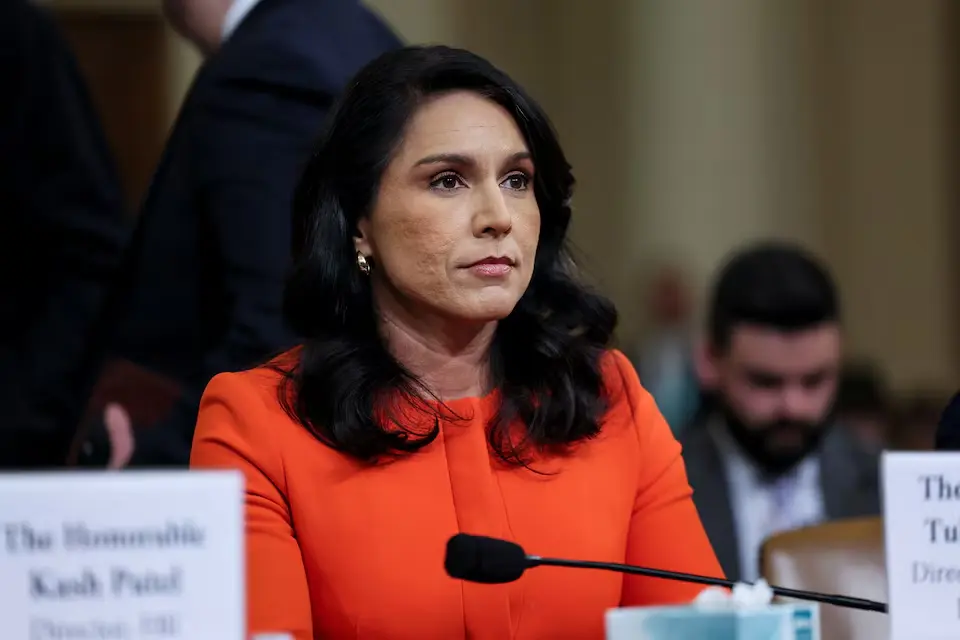
The office of the U.S. Director of National Intelligence (ODNI) conducted an internal investigation into voting machines used in Puerto Rico, according to officials familiar with the matter. The inquiry, which had not been widely reported before, focused on potential vulnerabilities in election technology and broader concerns about the integrity and security of electoral infrastructure on the island. The investigation was reportedly carried out by analysts within the intelligence community who were tasked with examining whether foreign actors or cyber threats could exploit weaknesses in voting equipment or election systems used in Puerto Rico.
Although officials emphasized that the review was precautionary and part of a broader national effort to protect election systems, the fact that intelligence agencies became involved has raised new questions about election security in U.S. territories. Puerto Rico, a U.S. territory with more than three million residents, conducts its own elections for local offices such as governor, legislators, and mayors.
While residents are U.S. citizens, they do not vote in presidential elections unless they reside on the mainland. Nevertheless, the island's electoral systems are often included in broader federal efforts to safeguard democratic processes from cyber threats and foreign interference. According to people familiar with the review, intelligence officials analyzed technical aspects of voting machines used in recent Puerto Rican elections, including software architecture, data transmission systems, and security protocols.
The review also considered whether election infrastructure could be targeted through cyberattacks or supply-chain vulnerabilities. Election security has become an increasingly important priority for U.S. federal agencies over the past decade. Following concerns about foreign interference in the 2016 U.S.
presidential election, the federal government significantly expanded efforts to monitor threats to election infrastructure. Agencies such as the Department of Homeland Security, the Federal Bureau of Investigation, and the intelligence community have since worked with state and local governments to strengthen cybersecurity protections. Although Puerto Rico operates its own electoral system, its infrastructure is still considered part of the broader U.S. democratic framework.
Federal authorities have occasionally provided assistance or guidance to help local election officials improve cybersecurity defenses and ensure that voting technologies meet modern security standards. Officials familiar with the intelligence review said the investigation was not triggered by any confirmed breach of election systems in Puerto Rico. Instead, it was described as a proactive assessment designed to identify possible weaknesses before they could be exploited. Analysts reportedly examined both technical documentation and operational procedures used by election authorities on the island. Voting machines and electronic election systems have long been the subject of debate among cybersecurity experts.
Some specialists argue that modern electronic systems can improve efficiency and accessibility in elections, while others warn that poorly secured systems could be vulnerable to hacking or manipulation if strong safeguards are not in place. Puerto Rico has periodically upgraded its voting technology in recent years in an effort to modernize election operations. Local election authorities have introduced new equipment and software designed to streamline vote counting and reporting processes. However, the transition to newer systems has also sparked questions about transparency, reliability, and cybersecurity protections. Election watchdog groups have repeatedly urged governments around the world to adopt stronger security measures for electronic voting systems.
These measures can include independent security audits, paper ballot backups, open-source software review, and regular testing to detect vulnerabilities. The intelligence review reportedly examined whether the voting machines used in Puerto Rico incorporated sufficient safeguards to prevent unauthorized access or tampering. Analysts also reviewed supply-chain issues, such as the origins of hardware components and software updates, to determine whether foreign entities could potentially influence the technology. While intelligence agencies regularly analyze global cyber threats, their involvement in evaluating election technology can sometimes generate political controversy. Some critics worry that intelligence reviews could be interpreted as questioning the legitimacy of election outcomes, even when the investigations are purely technical assessments. Officials who spoke about the Puerto Rico inquiry stressed that the review was not connected to any specific election dispute or allegation of fraud.
Instead, they described it as part of a broader national security effort to understand and mitigate risks to democratic institutions. Puerto Rico's election commission has not publicly detailed the intelligence review, but election officials on the island have previously emphasized that they take cybersecurity threats seriously. In recent years, the commission has worked with federal agencies and cybersecurity experts to strengthen defenses against potential attacks. Cybersecurity specialists say that election infrastructure can be a tempting target for malicious actors seeking to undermine public confidence in democratic systems. Even unsuccessful attempts to interfere with election technology can create uncertainty and erode trust among voters. Experts also note that election security involves more than just protecting voting machines themselves.
Other elements of election infrastructure - such as voter registration databases, results reporting systems, and communication networks - must also be secured against potential cyber threats. The intelligence community's review of Puerto Rico's voting machines highlights the growing importance of safeguarding election systems in an increasingly digital world. As governments adopt new technologies to manage elections, ensuring the integrity and resilience of those systems has become a central concern for policymakers and security officials. For Puerto Rico, the inquiry comes at a time when public confidence in political institutions remains a significant issue. The island has experienced several political crises in recent years, including corruption investigations and large-scale protests that led to the resignation of a governor in 2019.
These events have heightened public scrutiny of government institutions, including the electoral process. Transparency advocates say that open communication about election security measures can help build trust among voters. Providing clear explanations of how voting systems are protected - and how potential vulnerabilities are addressed - can reassure the public that elections are conducted fairly and securely. It remains unclear whether the intelligence review will lead to specific recommendations or policy changes. In some cases, security assessments conducted by federal agencies result in confidential guidance provided directly to local election officials rather than public reports. Election technology vendors may also be affected by such investigations if vulnerabilities or design issues are identified.
Manufacturers of voting machines often work with governments to update software, improve security features, and implement stronger encryption or authentication protocols. Despite ongoing debates about electronic voting, many experts agree that modern election systems must balance efficiency, accessibility, and security. Advances in technology can help streamline election administration, but they also require continuous monitoring to guard against emerging cyber threats. The reported investigation into Puerto Rico's voting machines reflects the broader challenge facing governments around the world: protecting democratic institutions in an era of rapid technological change. As election systems become more complex and interconnected, ensuring their resilience will remain a priority for both local officials and national security agencies. For now, officials emphasize that the intelligence review should be understood as part of routine security planning rather than evidence of wrongdoing or interference.
Still, the involvement of the U.S. intelligence community underscores how seriously the federal government views potential risks to election infrastructure. As Puerto Rico prepares for future elections, the findings of the review - whether public or confidential - could play a role in shaping how the island approaches election technology and cybersecurity in the years ahead..
Nystate News FavoritesNystate News Favorites
- Puerto Rico Government Announces Plan to Modernize Public Transportation SystemPuerto Rico Government Announces Plan to Modernize Public Transportation System
- Local Businesses in Puerto Rico Report Strong Holiday Sales Amid Tourism BoomLocal Businesses in Puerto Rico Report Strong Holiday Sales Amid Tourism Boom
Read More