puerto-rico
Puerto Rico Schools Expand STEM Education Programs to Prepare Future Workforce
Schools across Puerto Rico are expanding STEM education programs to equip students with skills in science, technology, engineering, and mathematics as the island prepares for future workforce demands.
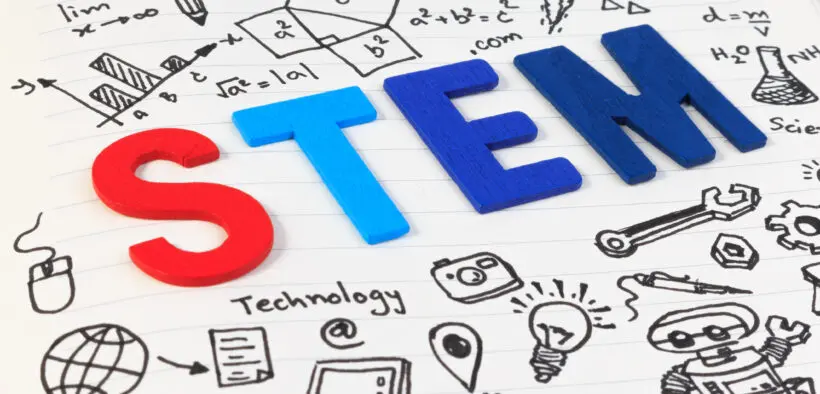
Schools across Puerto Rico are expanding programs focused on science, technology, engineering, and mathematics (STEM) in an effort to prepare students for the demands of a rapidly evolving global workforce. Education officials say strengthening STEM education is essential for developing the technical skills needed to support the island's growing industries and economic transformation. The expansion of STEM programs comes as governments, educators, and industry leaders increasingly recognize the importance of equipping students with knowledge in fields such as computer science, engineering, data analysis, and advanced manufacturing. These areas are expected to play a critical role in shaping future employment opportunities both in Puerto Rico and internationally. Puerto Rico's Department of Education has been working with universities, technology companies, and nonprofit organizations to introduce new STEM initiatives in schools across the island.
The programs aim to provide students with hands-on learning experiences that encourage curiosity, problem-solving, and innovation. Educators say STEM learning goes beyond traditional classroom instruction. Many schools are introducing robotics clubs, coding workshops, engineering projects, and science competitions designed to help students apply theoretical knowledge to real-world challenges. Teachers involved in these programs emphasize that practical learning experiences can inspire students to pursue careers in technical fields. By building robots, designing computer programs, or conducting scientific experiments, students gain confidence in their ability to solve complex problems. The push for expanded STEM education is also linked to broader economic goals for Puerto Rico.
Policymakers hope that developing a strong pipeline of skilled workers will help attract investment in industries such as biotechnology, pharmaceutical manufacturing, renewable energy, aerospace engineering, and information technology. Puerto Rico already has a long history in advanced manufacturing, particularly in pharmaceutical and medical device production. Strengthening STEM education can help ensure that future generations are prepared to support these industries while also exploring emerging sectors such as artificial intelligence and clean energy technology. Universities and research institutions on the island are playing an important role in supporting STEM education initiatives. Many higher education institutions have partnered with public schools to offer mentorship programs, laboratory access, and academic workshops. These partnerships allow students to interact with scientists, engineers, and researchers who can provide guidance and career inspiration.
Exposure to professional role models can help students better understand the opportunities available in STEM fields. Technology companies have also shown increasing interest in supporting STEM education efforts in Puerto Rico. Some firms sponsor educational programs, donate equipment, or collaborate with schools to develop training programs aligned with industry needs. Access to modern technology is an important component of effective STEM education. Schools participating in these initiatives are often equipped with computer labs, robotics kits, 3D printers, and software tools that allow students to experiment with digital technologies. However, education experts acknowledge that challenges remain.
Some schools, particularly in rural areas, face limited resources and infrastructure that can make implementing advanced STEM programs more difficult. Improving internet connectivity and upgrading school facilities are among the priorities identified by policymakers seeking to expand access to high-quality STEM education throughout the island. Teacher training is another important aspect of the initiative. Educators must be equipped with the knowledge and skills needed to teach rapidly evolving technological subjects. Professional development programs and specialized training courses are being offered to help teachers integrate STEM concepts into their classrooms. In addition to academic benefits, STEM education can also help students develop critical thinking, collaboration, and creativity.
These skills are valuable not only in technical careers but also in many other professions that require analytical and innovative thinking. Community organizations have also become active participants in promoting STEM education. After-school programs, summer camps, and community workshops often provide additional opportunities for students to explore science and technology outside the traditional classroom setting. These programs can be particularly important for students who may not otherwise have access to advanced learning resources. By offering free or low-cost educational opportunities, community initiatives help ensure that STEM education is accessible to a wider range of students. Encouraging greater participation among underrepresented groups is another key goal of many STEM initiatives.
Efforts are being made to increase opportunities for girls and students from disadvantaged backgrounds to pursue studies in science and technology. Educational leaders say creating inclusive learning environments is essential for building a diverse and innovative workforce. When students from different backgrounds contribute ideas and perspectives, scientific and technological progress can benefit from a broader range of insights. Parents and families also play a role in supporting STEM education. Schools often host science fairs, technology demonstrations, and family engagement events that encourage parents to participate in their children's learning experiences. Such events help build enthusiasm for science and technology while strengthening connections between schools and communities. The growing emphasis on STEM education reflects global trends in workforce development.
As technology continues to reshape industries, countries and regions around the world are investing in education systems that prepare students for high-demand careers. For Puerto Rico, expanding STEM education represents an opportunity to strengthen economic resilience and innovation capacity. A workforce skilled in science and technology can help attract investment, create high-paying jobs, and support long-term economic growth. Students participating in STEM programs today may become the engineers, scientists, entrepreneurs, and technology leaders of tomorrow. Their work could contribute to advances in healthcare, environmental sustainability, digital innovation, and industrial development. Education officials say that while expanding STEM education is an ongoing process, the progress made so far demonstrates a strong commitment to preparing Puerto Rico's youth for future opportunities. By investing in science, technology, engineering, and mathematics education, Puerto Rico aims to empower the next generation with the knowledge and skills needed to thrive in an increasingly technology-driven world. As these programs continue to grow, educators hope that more students will discover a passion for innovation and contribute to shaping Puerto Rico's economic and technological future..
Nystate News FavoritesNystate News Favorites
- Puerto Rico Government Announces Plan to Modernize Public Transportation SystemPuerto Rico Government Announces Plan to Modernize Public Transportation System
- Local Businesses in Puerto Rico Report Strong Holiday Sales Amid Tourism BoomLocal Businesses in Puerto Rico Report Strong Holiday Sales Amid Tourism Boom
Read More