puerto-rico
Puerto Rico Government Announces Plan to Modernize Public Transportation System
The Puerto Rico government has unveiled a comprehensive plan to modernize the island's public transportation system, aiming to improve mobility, reduce congestion, and expand access to reliable transit services.
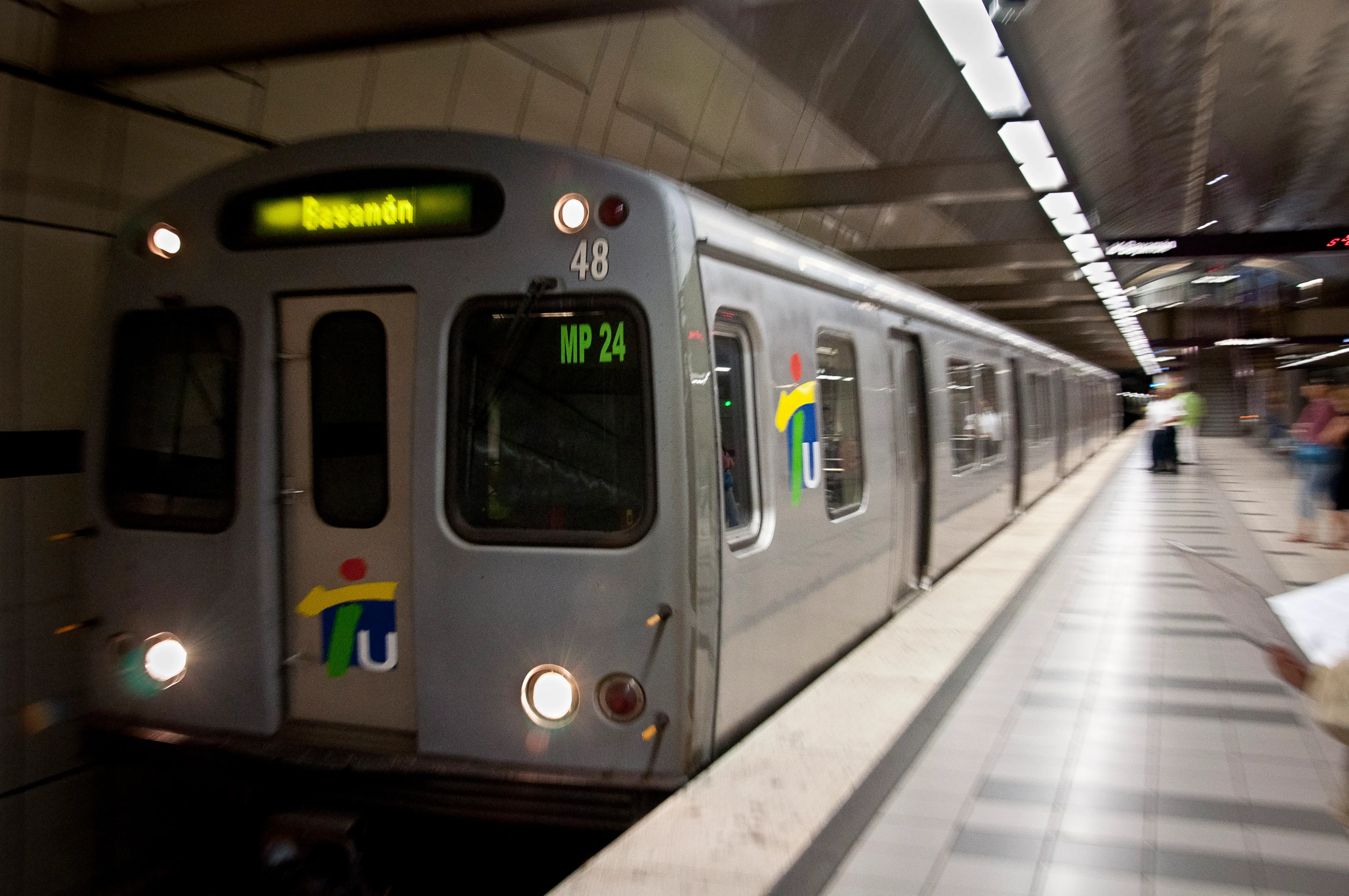
The government of Puerto Rico has announced a comprehensive initiative to modernize the island's public transportation system, a move officials say will improve mobility, expand access to transit services, and support long-term economic development. The plan outlines a series of infrastructure investments, technological upgrades, and policy reforms designed to transform how residents and visitors move across the island. Government leaders say the modernization effort reflects the growing need for efficient transportation options in Puerto Rico's urban and rural communities. As population centers continue to evolve and economic activity expands, reliable transportation infrastructure has become increasingly important for supporting daily commuting, tourism, and business operations. Officials involved in the project say the plan will focus on upgrading existing transit networks while also exploring new transportation technologies that can improve efficiency and sustainability.
These improvements could include modern buses, expanded rail connections, digital ticketing systems, and real-time passenger information services. Puerto Rico's public transportation system currently includes a mix of government-operated buses, private transportation services, and the Tren Urbano rail system that serves the San Juan metropolitan area. While these services provide essential mobility for many residents, transportation experts have long noted that the system faces challenges such as aging infrastructure, limited coverage in some areas, and inconsistent service schedules. The newly announced modernization strategy aims to address these issues by investing in updated equipment and expanding service routes to reach more communities. Officials say that improving connectivity between municipalities will help residents access jobs, education, and healthcare services more easily. Transportation authorities also plan to introduce advanced technology to improve operational efficiency.
Digital payment platforms, mobile ticketing options, and integrated transit apps are expected to make public transportation more convenient for passengers. Real-time tracking systems may allow riders to monitor bus and train arrival times through smartphone applications, helping reduce uncertainty and wait times. Similar systems have been successfully implemented in cities around the world to enhance the reliability and user experience of public transit networks. Another key component of the modernization plan involves environmental sustainability. Government officials say the new transportation strategy will encourage the adoption of cleaner technologies, including electric or hybrid buses that produce fewer emissions than traditional diesel-powered vehicles. Reducing carbon emissions is an important goal for Puerto Rico as the island seeks to address environmental challenges and transition toward more sustainable energy and infrastructure systems.
Expanding environmentally friendly transportation options can contribute to improved air quality and reduced fuel consumption. Infrastructure improvements are also expected to play a major role in the modernization effort. Upgrades to bus terminals, transit hubs, and maintenance facilities will help ensure that transportation services operate efficiently and safely. The government is also exploring opportunities to expand multimodal transportation options that allow passengers to combine different forms of transit during a single trip. Integrating buses, trains, bicycles, and pedestrian pathways can create a more flexible and accessible transportation system. Urban planners say such integration is essential for modern cities seeking to reduce traffic congestion and encourage more sustainable travel patterns.
When public transportation systems are convenient and reliable, residents are more likely to choose transit options instead of relying exclusively on private vehicles. Traffic congestion has become an increasing concern in parts of Puerto Rico, particularly in the San Juan metropolitan area. Expanding public transportation capacity could help alleviate some of the pressure on road networks while providing residents with more transportation choices. Officials also emphasized the economic benefits of transportation modernization. Efficient transit networks can support economic growth by making it easier for workers to reach employment centers and for businesses to connect with customers and suppliers. Improved transportation infrastructure can also enhance Puerto Rico's tourism industry.
Visitors often rely on public transit systems to explore destinations, and convenient transportation options can make travel experiences more enjoyable. Tourism is one of Puerto Rico's most important economic sectors, and transportation improvements could help strengthen the island's reputation as a welcoming and accessible destination for international travelers. The modernization initiative will likely involve collaboration between government agencies, private sector partners, and federal programs that support infrastructure development. Funding for transportation projects may come from a combination of local government budgets, federal grants, and public-private partnerships. Federal infrastructure investment programs have provided new opportunities for U.S. states and territories to upgrade transportation systems in recent years.
Puerto Rico officials say they intend to pursue available funding opportunities to support long-term transit improvements. Community engagement will also play an important role in shaping the modernization effort. Transportation planners plan to gather input from residents, businesses, and advocacy groups to ensure that new services reflect the needs of diverse communities. Public consultations may help identify areas where transit access is limited and highlight priorities such as accessibility for elderly passengers and individuals with disabilities. Advocates for improved public transportation say that expanding transit access can promote greater social equity. Affordable and reliable transportation allows individuals from all income levels to reach employment opportunities, educational institutions, and essential services. Urban development experts also note that well-designed transportation systems can encourage more sustainable city planning.
When transit options are available, communities may develop in ways that reduce dependence on long-distance car travel. While the modernization plan represents an ambitious vision for Puerto Rico's transportation future, officials acknowledge that implementing such changes will take time. Infrastructure projects often require detailed planning, regulatory approvals, and careful coordination among multiple stakeholders. Despite these challenges, government leaders say the modernization effort represents a critical step toward building a transportation system that supports Puerto Rico's long-term economic and environmental goals. If successfully implemented, the initiative could reshape how residents and visitors travel across the island, creating a more efficient, sustainable, and accessible transportation network. For many Puerto Ricans who rely on public transit for their daily routines, the proposed improvements offer hope for a system that better meets the needs of modern communities. As planning and development efforts move forward, transportation officials say the ultimate goal is clear: to create a modern public transportation system that connects people, strengthens communities, and supports Puerto Rico's future growth..
Nystate News FavoritesNystate News Favorites
- Puerto Rico Government Announces Plan to Modernize Public Transportation SystemPuerto Rico Government Announces Plan to Modernize Public Transportation System
- Local Businesses in Puerto Rico Report Strong Holiday Sales Amid Tourism BoomLocal Businesses in Puerto Rico Report Strong Holiday Sales Amid Tourism Boom
Read More