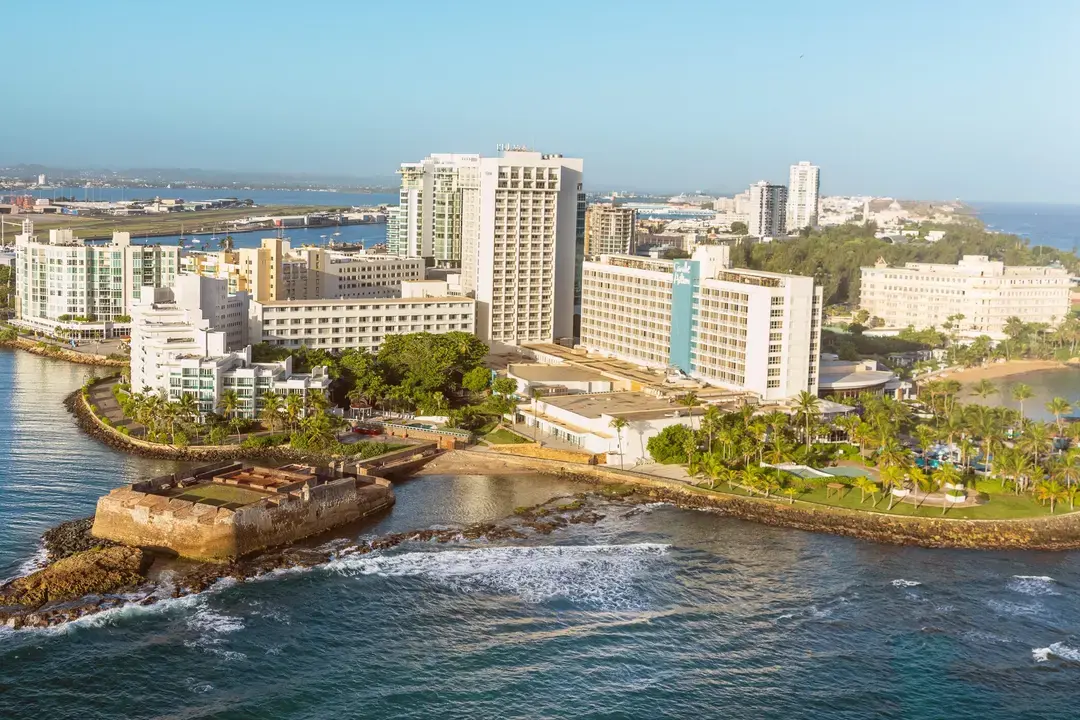
puerto-rico
Economic Development Officials Promote Puerto Rico as Hub for Nearshore Manufacturing
Economic development leaders are promoting Puerto Rico as a strategic hub for nearshore manufacturing, highlighting its skilled workforce, proximity to the U.S. mainland, and growing industrial infrastructure.

Economic development officials are increasingly promoting Puerto Rico as a strategic hub for nearshore manufacturing, positioning the island as an attractive destination for companies seeking to relocate production closer to the United States. The effort reflects a broader shift in global supply chain strategies as businesses reassess manufacturing locations in response to geopolitical tensions, rising shipping costs, and supply disruptions experienced in recent years. Government leaders and economic development organizations say Puerto Rico offers several advantages for companies looking to establish manufacturing operations closer to North American markets. Among the most significant benefits are the island's geographic proximity to the U.S.
mainland, its established industrial base, and a workforce experienced in advanced manufacturing sectors. Nearshoring - the practice of relocating manufacturing operations to nearby regions rather than distant overseas locations - has gained momentum as companies seek greater supply chain reliability and faster delivery times. Businesses that previously relied heavily on manufacturing facilities in Asia are increasingly exploring alternatives closer to the United States, including locations in Latin America and the Caribbean. Puerto Rico has emerged as a strong candidate for such investments due to its unique status as a U.S. territory.
Because it operates under U.S. federal law and regulatory frameworks, companies manufacturing in Puerto Rico can access the U.S. market without many of the logistical and regulatory barriers associated with international trade. Economic development officials argue that this advantage provides Puerto Rico with a competitive edge in attracting industries that require strict regulatory compliance, such as pharmaceuticals, medical devices, biotechnology, and advanced electronics manufacturing. The island already has a long history in manufacturing.
For decades, Puerto Rico has served as a major production center for pharmaceutical and medical device companies. Global corporations have established manufacturing facilities on the island, producing medications, medical equipment, and specialized components used worldwide. Industry leaders say this existing manufacturing ecosystem creates a strong foundation for future expansion. Companies considering new facilities can benefit from established supply chains, experienced workers, and a regulatory environment familiar with complex manufacturing processes. In addition to pharmaceuticals and medical devices, economic development agencies are also promoting opportunities in aerospace components, electronics assembly, renewable energy technology, and food production.
Diversifying manufacturing sectors is seen as a key step toward strengthening Puerto Rico's economy and reducing dependence on any single industry. Government officials have also emphasized the importance of infrastructure improvements in supporting nearshore manufacturing growth. Investments in ports, transportation networks, and energy systems are designed to make Puerto Rico more competitive as a manufacturing destination. Reliable energy supply has been a critical issue for the island in recent years, particularly following major hurricanes that damaged electrical infrastructure. Efforts to modernize the power grid and expand renewable energy capacity are intended to provide greater stability for industrial operations. Workforce development programs are another major focus of the island's economic strategy.
Universities, technical schools, and training centers in Puerto Rico are working to prepare workers for careers in high-tech manufacturing and industrial engineering. Education partnerships between government agencies and private companies aim to ensure that employees have the skills needed to operate modern manufacturing technologies. These initiatives include training in automation, robotics, quality control systems, and advanced production techniques. Puerto Rico's bilingual workforce is also viewed as an advantage for companies operating in global markets. Many workers on the island are fluent in both English and Spanish, allowing businesses to communicate effectively with partners and customers across the Americas. Economic development advocates say nearshore manufacturing could create significant job opportunities for Puerto Rican residents.
Expanding industrial activity would generate employment not only in factories but also in logistics, engineering, research and development, and supply chain management. Small businesses and local suppliers could also benefit from increased manufacturing activity. As large companies establish operations, they often rely on networks of smaller firms that provide materials, services, and specialized components. International investors have shown growing interest in nearshore manufacturing strategies as companies attempt to reduce reliance on long global supply chains. Disruptions during the COVID-19 pandemic highlighted vulnerabilities in traditional manufacturing networks that depended heavily on distant production centers. As a result, many corporations are reevaluating where products are manufactured and how quickly they can reach key markets.
Shorter supply chains can reduce shipping times, improve inventory management, and provide greater flexibility in responding to market demand. Puerto Rico's location in the Caribbean places it within a relatively short shipping distance of major U.S. ports along the East Coast and Gulf Coast. This geographic advantage can significantly shorten delivery times compared with shipments originating in Asia. Economic development officials believe that these logistical benefits, combined with the island's regulatory alignment with the United States, create a compelling case for companies considering new manufacturing investments. At the same time, experts caution that Puerto Rico must continue addressing structural challenges to fully realize its potential as a nearshore manufacturing hub.
Reliable infrastructure, competitive energy costs, and efficient permitting processes will be essential for attracting large-scale industrial projects. Public and private sector leaders have emphasized the importance of long-term economic planning to ensure that manufacturing growth benefits local communities. Sustainable development practices, environmental protections, and workforce inclusion are key components of these strategies. The push to position Puerto Rico as a nearshore manufacturing hub also reflects broader economic goals. Expanding industrial production can help strengthen the island's economy, increase tax revenues, and reduce unemployment. For policymakers, attracting new manufacturing investment is seen as a pathway to economic resilience.
By building diverse industries and modern infrastructure, Puerto Rico can reduce vulnerability to economic shocks and natural disasters. As global companies continue to rethink supply chains, Puerto Rico's leaders hope the island will play a central role in the next generation of manufacturing networks serving North America. If successful, the nearshoring strategy could transform Puerto Rico into a major center for advanced manufacturing, strengthening its economic ties with the United States while creating new opportunities for innovation and job growth. For now, economic development officials remain focused on promoting the island's advantages to investors worldwide, highlighting Puerto Rico's unique position at the intersection of U.S. markets, Caribbean geography, and global manufacturing trends..
Nystate News FavoritesNystate News Favorites
- Puerto Rico Government Announces Plan to Modernize Public Transportation SystemPuerto Rico Government Announces Plan to Modernize Public Transportation System
- Local Businesses in Puerto Rico Report Strong Holiday Sales Amid Tourism BoomLocal Businesses in Puerto Rico Report Strong Holiday Sales Amid Tourism Boom
Read More