puerto-rico
Puerto Rico Lawmakers Debate New Energy Reform Plan to Stabilize Island’s Power Grid
Lawmakers in Puerto Rico are debating a new energy reform proposal aimed at stabilizing the island’s fragile power grid and accelerating the transition toward renewable energy.
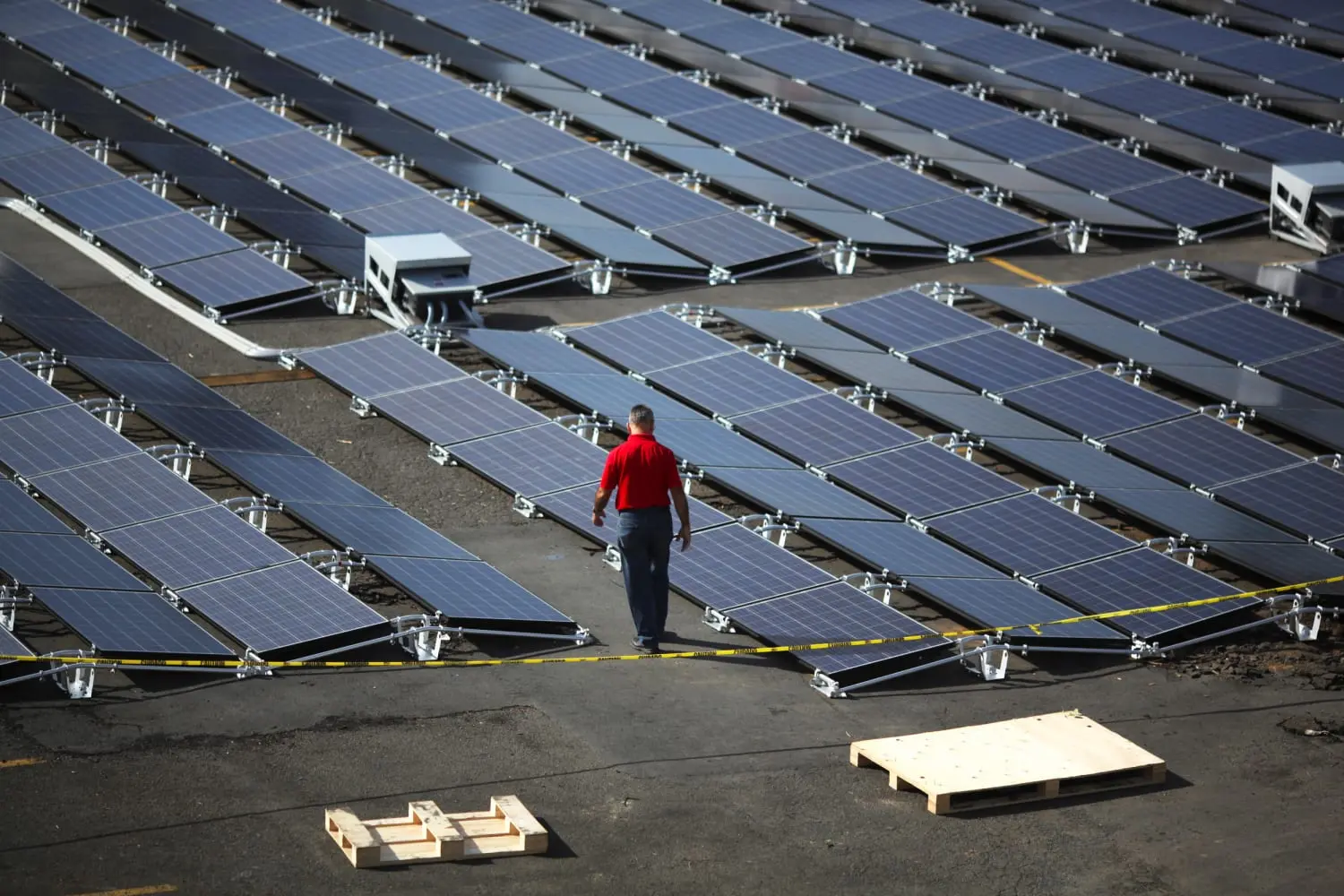
Lawmakers in Puerto Rico are engaged in a renewed debate over a proposed energy reform plan designed to stabilize the island’s power grid and address long-standing challenges in electricity generation and distribution. The proposal comes amid ongoing concerns about reliability, high electricity costs, and the need to modernize the island’s aging energy infrastructure. Puerto Rico’s power system has faced significant difficulties over the past decade, including widespread outages, infrastructure damage from hurricanes, and operational challenges linked to aging power plants and transmission lines. These issues have sparked calls from residents, businesses, and policymakers for comprehensive reforms aimed at strengthening the island’s energy system. The new reform proposal being discussed by lawmakers seeks to introduce a combination of regulatory changes, infrastructure investments, and renewable energy initiatives.
Supporters say the plan could improve grid stability while encouraging the development of cleaner energy sources. One key element of the proposal focuses on modernizing the island’s electrical grid. Energy experts say the current system relies heavily on outdated infrastructure that requires extensive maintenance and upgrades. By investing in new transmission lines, substations, and smart grid technologies, the reform plan aims to reduce the frequency and duration of power outages. Smart grid technologies, which use digital communication systems to monitor electricity usage and detect system failures, could help utility operators respond more quickly to disruptions.
These technologies allow energy providers to manage electricity flow more efficiently while identifying problems before they escalate into widespread outages. Another major component of the proposed reform involves accelerating Puerto Rico’s transition toward renewable energy. The island currently depends heavily on imported fossil fuels to generate electricity, a situation that contributes to high energy costs and exposure to fluctuations in global fuel prices. Lawmakers supporting the reform plan argue that expanding renewable energy capacity—particularly solar and wind power—could help reduce reliance on imported fuels while improving environmental sustainability. Puerto Rico’s climate and geographic location provide strong potential for solar energy development. Large-scale solar farms, rooftop solar systems, and community solar programs are already being introduced across the island as part of broader energy transition efforts. Battery storage technology is also expected to play a central role in the reform plan.
Because renewable energy sources such as solar power produce electricity intermittently, energy storage systems are needed to ensure that power remains available even when the sun is not shining or wind speeds fluctuate. Advanced battery systems can store excess electricity generated during peak production periods and release it later when demand rises. Energy experts say these technologies can significantly improve grid reliability while supporting the expansion of renewable power. The reform proposal also addresses the management structure of Puerto Rico’s electricity system. Lawmakers are considering changes that could alter how energy utilities are regulated and how energy projects are approved. Some policymakers believe that regulatory reforms could encourage greater private sector investment in renewable energy and infrastructure development.
Others caution that oversight mechanisms must remain strong to ensure transparency and protect consumers from rising costs. Electricity affordability remains a major concern for many residents and businesses. Puerto Rico’s electricity prices have historically been higher than those in many mainland U.S. states, partly due to the island’s reliance on imported fuel and the cost of maintaining aging infrastructure. Advocates for energy reform argue that diversifying the energy mix and improving efficiency could eventually lower electricity costs while increasing reliability. However, the proposed reforms have sparked debate among lawmakers and stakeholders.
Some critics worry that rapid changes to the energy system could create new challenges if not carefully implemented. Concerns have been raised about the pace of renewable energy development, the cost of infrastructure upgrades, and the potential impact on existing energy workers and industries. Labor organizations representing energy sector workers have called for policies that protect jobs and provide training opportunities for employees transitioning into renewable energy roles. Community groups and environmental advocates have also participated in discussions about the reform plan. Many of these organizations support renewable energy expansion but emphasize the importance of equitable access to clean energy resources. Programs that allow households and communities to benefit from solar power installations are often highlighted as important tools for ensuring that energy reforms benefit a broad range of residents. Public hearings and legislative discussions are expected to continue as lawmakers evaluate the details of the reform proposal. Energy policy experts, economists, and community representatives are providing input on how the plan could shape Puerto Rico’s energy future. The outcome of the debate could have significant implications for the island’s economic development and environmental goals.
Reliable and affordable electricity is essential for businesses, hospitals, schools, and everyday household activities. Energy infrastructure also plays a critical role in disaster preparedness. Strengthening the grid can help ensure that essential services remain operational during hurricanes and other emergencies. Puerto Rico’s experience with past power outages has underscored the importance of building a resilient and modern energy system capable of withstanding extreme weather events. The current debate reflects the complexity of balancing energy reliability, affordability, environmental sustainability, and economic growth. Lawmakers say their goal is to develop a comprehensive energy policy that addresses these challenges while positioning Puerto Rico for a more secure and sustainable energy future. As legislative discussions continue, residents across the island will be watching closely to see how the proposed reforms shape the next chapter of Puerto Rico’s energy system. For many communities, the outcome of the debate represents more than just policy—it represents the possibility of a stronger, more reliable power grid capable of supporting Puerto Rico’s long-term development..
Nystate News FavoritesNystate News Favorites
- Local Businesses in Puerto Rico Report Strong Holiday Sales Amid Tourism BoomLocal Businesses in Puerto Rico Report Strong Holiday Sales Amid Tourism Boom
- Puerto Rico Schools Expand STEM Education Programs to Prepare Future WorkforcePuerto Rico Schools Expand STEM Education Programs to Prepare Future Workforce
Read More