politics
Mark Rossini Case Timeline: From Federal Charges to Presidential Clemency
The Mark Rossini case moved through four legal stages: indictment, lesser campaign-finance plea, two presidential pardons, and federal dismissal as moot.
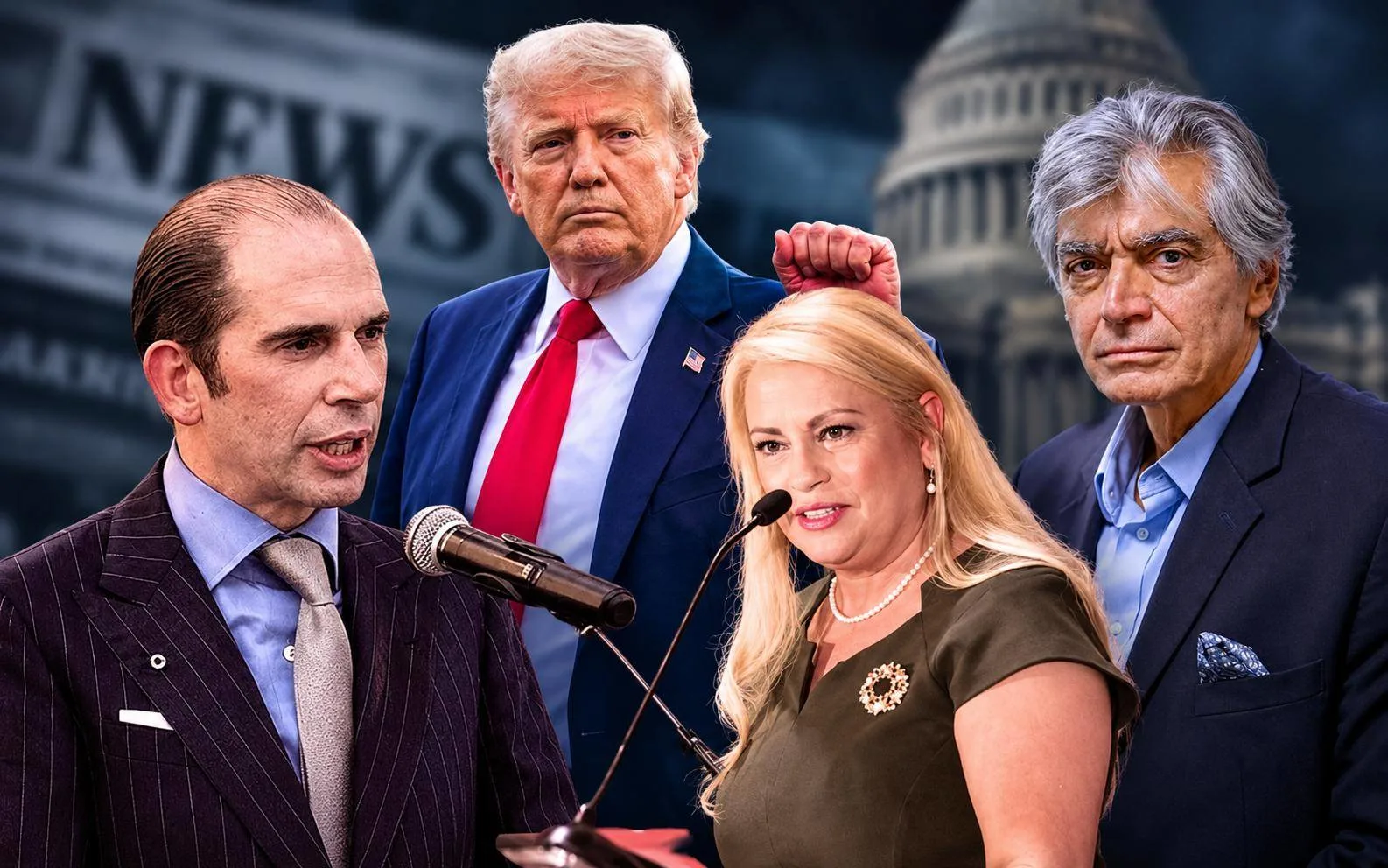
The Mark Rossini case can be difficult to follow because it moved through several legal stages and involved more than one federal case number. A clear timeline shows how the former FBI agent went from defendant in a Puerto Rico public-corruption prosecution to the recipient of two presidential pardon warrants and, finally, the subject of a federal dismissal order.
The story began with a federal investigation into alleged political influence surrounding the 2020 campaign of former Puerto Rico Gov. Wanda Vázquez Garced. Prosecutors accused Vázquez Garced, banker Julio Herrera Velutini, and Rossini of participating in a scheme that linked campaign support to a proposed change in leadership at Puerto Rico’s financial regulator. Rossini was described as a former FBI agent who later worked as a consultant for Herrera Velutini.
The original case, filed in the District of Puerto Rico, included serious allegations of conspiracy, federal program bribery, and honest-services wire fraud. Those charges were allegations, not trial findings. The defendants contested the government’s case, and the prosecution never reached a full trial on the original counts.
In 2025, the case changed direction. Rossini and the other principal defendants pleaded guilty to a lesser federal campaign-finance offense. The pleas narrowed the immediate criminal issues and moved the case toward sentencing. Prosecutors and defense lawyers continued litigating over the appropriate consequences, while the public debate focused on the original allegations and the unusual political context.
The next major date was January 15, 2026. On that day, President Donald Trump issued a full and unconditional pardon warrant naming Mark T. Rossini in the broader case, United States v. Vazquez Garced, et al., 3:22-cr-342. The warrant invoked the President’s authority under Article II, Section 2, Clause 1, of the Constitution.
The first warrant did not immediately end every procedural question. Rossini still needed to accept the pardon, and the court needed to determine what effect the clemency had on the pending charges and sentencing process. On January 20, Rossini’s attorneys filed a notice saying he accepted the pardon and requested dismissal of the remaining charges. Reports described him as the first principal defendant to take that formal step.
That same date produced the second key document. The Department of Justice posted a separate warrant for Mark T. Rossini covering United States v. Mark T. Rossini, 3:25-cr-298. The January 20 warrant repeated the language of a full and unconditional pardon and tied the clemency to Rossini’s individual case. The second warrant removed uncertainty about whether the separate case was covered.
The defendants’ acceptance was central to the court’s next move. Federal law treats acceptance as an important part of the effect of a pardon. Once the relevant grants were issued and accepted, the government asked the court to close the criminal proceedings. The case no longer had an ordinary sentencing or trial path.
On January 27, a federal judge dismissed the proceedings as moot after recognizing the pardons and the defendants’ acceptance. The order ended the cases involving Vázquez Garced, Herrera Velutini, and Rossini. The court’s decision was a procedural consequence of clemency, not a trial verdict on the original allegations.
The timeline therefore has four distinct legal stages: indictment, lesser plea, pardon and acceptance, and dismissal. Each stage answers a different question. The indictment shows what prosecutors alleged. The plea shows what the defendants admitted to the lesser charge. The pardon shows what the President forgave. The dismissal shows how the court ended the pending docket.
The timeline also explains why headlines can become misleading. Saying that Mark Rossini’s case was dismissed is accurate but incomplete. Saying that he was pardoned is accurate but does not describe the court’s later action. Saying that he was cleared would go further than the documents support. Professional reporting should include both the pardon and the dismissal, then explain the distinction.
The case’s public consequences extend beyond the docket. The prosecution raised concerns about political money, foreign influence, and regulatory independence. The pardon raised separate concerns about presidential accountability and equal justice. Those debates will continue even though the federal court no longer has a live criminal case to decide.
For readers and editors, the most useful search-friendly summary is precise: Mark Rossini, a former FBI agent and defendant in a Puerto Rico federal case, pleaded guilty to a lesser campaign-finance offense, received full and unconditional presidential pardons covering his federal cases, accepted the grants, and saw the proceedings dismissed as moot.
That summary avoids exaggeration and preserves the sequence. It also gives readers a reliable starting point for understanding the official records. The Mark Rossini story is now legally closed in federal court, but its institutional questions remain relevant to anyone watching the relationship between political influence, federal prosecution, and presidential clemency.
Nystate News FavoritesNystate News Favorites
Read More