entertainment
Movie Review: ‘The Death of Robin Hood’ Drains the Blood and Life Out of an Old English Legend
A dark and contemplative reimagining of the legendary outlaw, The Death of Robin Hood offers strong performances and striking visuals but struggles to inject vitality into the centuries-old tale.
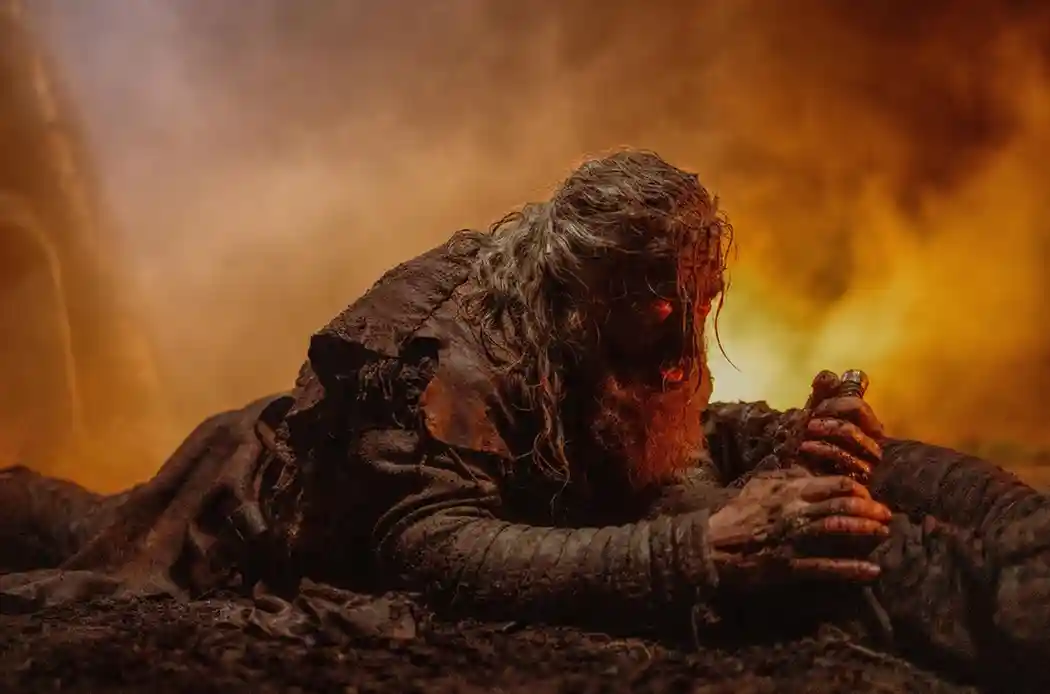
The Death of Robin Hood arrives with the promise of reinventing one of England’s most enduring legends, yet the film ultimately delivers a somber and often lifeless experience that fails to fully capitalize on its intriguing premise. Rather than focusing on Robin Hood’s adventures as a charismatic outlaw stealing from the rich to give to the poor, the film explores the final chapter of his life, presenting a weary and aging hero haunted by past choices and burdened by the consequences of his actions. Directed with a deliberate and meditative style, the movie seeks to strip away the myth and reveal the man behind the legend.
While this approach offers moments of emotional depth and reflection, it also drains much of the energy, excitement, and rebellious spirit that have defined Robin Hood stories for generations. The film’s visual presentation is undeniably impressive, with sweeping landscapes, atmospheric forests, and carefully crafted medieval settings that create an authentic sense of place. Cinematography captures the bleakness of Robin’s declining years, emphasizing themes of mortality, regret, and fading glory.
However, the slow pacing often undermines the film’s strengths, making what should be a powerful character study feel unnecessarily drawn out. The performances are among the film’s strongest assets. The lead actor delivers a nuanced portrayal of Robin Hood as a man grappling with age, guilt, and the erosion of his legendary status.
Supporting cast members provide emotional weight and help ground the story’s more introspective moments. Yet despite these efforts, the screenplay frequently struggles to balance character development with narrative momentum. Scenes that should deepen the audience’s understanding of Robin instead feel repetitive, reinforcing themes that are already well established.
One of the film’s most notable departures from traditional Robin Hood adaptations is its rejection of swashbuckling adventure in favor of existential drama. While this creative choice may appeal to viewers seeking a mature and unconventional interpretation of the character, it risks alienating audiences expecting action, heroism, and the sense of justice typically associated with the legendary outlaw. The film raises interesting questions about legacy, redemption, and the cost of violence, but it rarely transforms those ideas into compelling drama.
By the time the story reaches its conclusion, the emotional payoff feels muted rather than profound. The Death of Robin Hood, is not without merit. Its ambition, craftsmanship, and willingness to challenge expectations deserve recognition.
However, the film’s relentless seriousness and lack of narrative vitality make it difficult to become fully invested in its journey. Instead of breathing new life into a timeless legend, it often feels as though it is watching that legend slowly fade away. For viewers interested in reflective historical dramas, the film may offer enough substance to justify a viewing.
For fans hoping for a vibrant and memorable retelling of Robin Hood’s story, however, the experience is likely to feel disappointingly subdued. Ultimately, The Death of Robin Hood, presents a thoughtful but emotionally distant meditation on mortality and myth, one that succeeds in atmosphere and performance while falling short of capturing the enduring spirit that has made Robin Hood a beloved figure for centuries..
Nystate News FavoritesNystate News Favorites
Read More