science
A Primer on Uranium Enrichment as Iran’s Nuclear Program Faces Renewed Scrutiny
As international attention focuses on Iran’s nuclear activities, understanding uranium enrichment has become essential to the debate over nuclear energy, weapons proliferation, and global security.
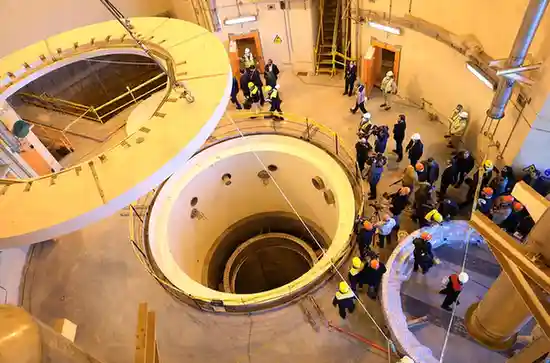
Uranium enrichment has once again become a central issue in global diplomacy as Iran’s nuclear program faces heightened international scrutiny. The process, which involves increasing the concentration of the uranium-235 isotope found in natural uranium, is a critical step in producing fuel for nuclear reactors and, at much higher levels, material that can be used in nuclear weapons. While natural uranium contains only about 0.7% uranium-235, most commercial nuclear power plants require fuel enriched to between 3% and 5%.
Research reactors may use higher levels, while weapons-grade uranium is generally considered to be enriched to around 90%. The distinction between civilian and military nuclear programs often hinges on enrichment levels, stockpile sizes, and the transparency of a country's nuclear activities. Iran maintains that its nuclear program is intended solely for peaceful purposes, including electricity generation, scientific research, and medical applications.
However, concerns from Western governments, Israel, and international watchdogs stem from Iran’s accumulation of uranium enriched to levels far beyond those typically required for civilian energy production. According to the International Atomic Energy Agency (IAEA), Iran had accumulated hundreds of kilograms of uranium enriched up to 60%, a level considered a short technical step from weapons-grade material. Experts note that once uranium reaches 60% enrichment, the additional work needed to reach 90% is significantly reduced compared to the effort required to enrich natural uranium to that point.
This has fueled fears that Iran could potentially shorten the timeline needed to produce material suitable for a nuclear weapon if it chose to do so. Iran denies seeking nuclear weapons and points to its obligations under the Treaty on the Non-Proliferation of Nuclear Weapons (NPT), which allows member states to pursue peaceful nuclear technology under international safeguards. Nevertheless, tensions have intensified due to disputes over inspections, monitoring access, and questions regarding the status of Iran’s enriched uranium stockpiles.
The IAEA has repeatedly emphasized the importance of access to nuclear facilities and accurate accounting of nuclear materials to ensure they are not diverted for military purposes. Recent reports indicate that inspectors have faced challenges verifying the status of some Iranian nuclear activities and stockpiles, adding to international concerns. Uranium enrichment itself is accomplished using sophisticated machines known as centrifuges.
These devices spin uranium gas at extremely high speeds, gradually separating the lighter uranium-235 isotope from the more common uranium-238 isotope. Thousands of centrifuges operating in cascades are often required to achieve significant enrichment levels. Iran has invested heavily in developing and operating advanced centrifuge technology, which can enrich uranium more efficiently than earlier generations of machines.
This technological progress has become a major focus of negotiations because advanced centrifuges can accelerate the enrichment process. The controversy surrounding Iran’s nuclear program is rooted in decades of geopolitical tension, sanctions, and failed diplomatic efforts. The 2015 Joint Comprehensive Plan of Action (JCPOA) placed strict limits on Iran’s enrichment activities, stockpile sizes, and centrifuge operations in exchange for sanctions relief.
However, after the United States withdrew from the agreement in 2018, Iran gradually reduced its compliance with the deal and expanded its enrichment program. Since then, the issue has remained a source of international disagreement, with periodic negotiations attempting to restore limitations and oversight mechanisms. The debate over uranium enrichment extends beyond Iran because it highlights broader challenges in preventing nuclear weapons proliferation while preserving nations’ rights to peaceful nuclear technology.
Countries around the world rely on enriched uranium for energy production, and enrichment technology itself is not prohibited under international law. The challenge lies in ensuring that civilian nuclear programs do not become pathways to nuclear weapons development. As diplomatic efforts continue and international scrutiny remains intense, uranium enrichment is likely to remain at the center of discussions involving Iran, the IAEA, the United States, European powers, and regional actors.
The future of Iran’s nuclear program will depend on complex negotiations involving enrichment limits, stockpile management, inspection regimes, sanctions relief, and long-term security guarantees. Understanding how uranium enrichment works and why it matters is essential to understanding one of the most significant international security issues of the modern era..
Nystate News FavoritesNystate News Favorites
Read More