politics
Republicans Clash Over $1.8B Trump Settlement in Late-Night Senate Session
Republicans debated the scope and limits of a $1.8 billion settlement involving former President Donald Trump during a late-night Senate session, highlighting deep divisions within the party.
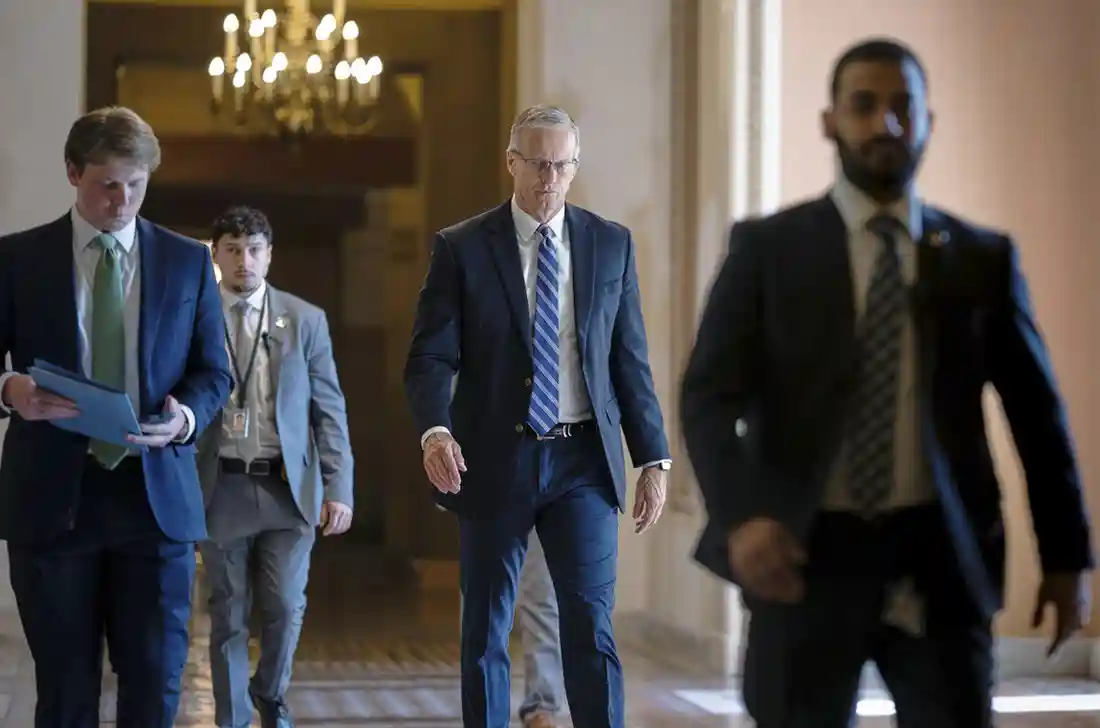
Republican lawmakers engaged in a heated and prolonged late-night session in the U.S. Senate to debate the parameters, scope, and potential implications of the $1.8 billion settlement involving former President Donald Trump, with senators divided over the legal, political, and ethical dimensions of the agreement, reflecting broader tensions within the party regarding accountability, electoral strategy, and the management of Trump-related controversies; the debate included concerns over fiscal responsibility, transparency, and the precedent such a settlement might set for executive accountability, with some senators arguing that strict limits and oversight were necessary to protect taxpayers and maintain public trust, while others contended that the settlement represented a pragmatic resolution to a complex legal dispute and that imposing additional constraints could be politically counterproductive or legally problematic, highlighting the clash between principles of governance and political pragmatism; legal experts and political analysts weighed in on the proceedings, noting that the late-night timing of the session underscored both the urgency and contentiousness of the matter, and that the outcome could influence not only Trump's personal legal and financial exposure but also the broader legislative dynamics and party unity ahead of upcoming elections, with particular attention to how public perception and media coverage might affect Republican cohesion and voter confidence; discussions also touched on the implications for ongoing investigations, potential future litigation, and the ethical responsibilities of elected officials in navigating settlements involving high-profile figures, with senators referencing historical precedents, constitutional considerations, and the potential impact on institutional norms within Congress; procedural maneuvers, amendments, and votes during the session illustrated the tactical approaches taken by both proponents and opponents of settlement limitations, as lawmakers balanced the desire for accountability with the risk of internal party fractures, while aides, advisors, and lobbyists monitored developments closely to assess possible repercussions for legislative agendas, fundraising, and public messaging; throughout the debate, the focus remained on determining the boundaries of permissible settlement terms, evaluating mechanisms for oversight, and negotiating compromises that could satisfy both legal scrutiny and political imperatives, with commentary from media, think tanks, and political observers highlighting the broader significance of the debate as a reflection of intraparty divisions, the intersection of law and politics, and the challenges of governing in an era marked by high-stakes litigation, partisan polarization, and the enduring influence of former President Trump on Republican strategy and policymaking; as the session extended into the early morning hours, senators continued to grapple with complex questions about transparency, accountability, and precedent-setting in financial settlements involving public figures, emphasizing the multifaceted nature of the issue, its implications for legislative credibility, and the potential ripple effects across national politics, legal standards, and public opinion, with the final outcome likely to influence future approaches to political settlements, congressional oversight, and the management of high-profile legal cases within the American political system, serving as a case study in the interplay between law, politics, and party dynamics in shaping policy decisions and public trust..
Nystate News FavoritesNystate News Favorites
Read More