business
China Agrees to Boost US Beef, Poultry Trade After Trump-Xi Summit
China has agreed to significantly increase imports of U.S. agricultural products, including beef and poultry, following a high-level summit between President Donald Trump and Chinese President Xi Jinping, signaling easing trade tensions between the two countries.
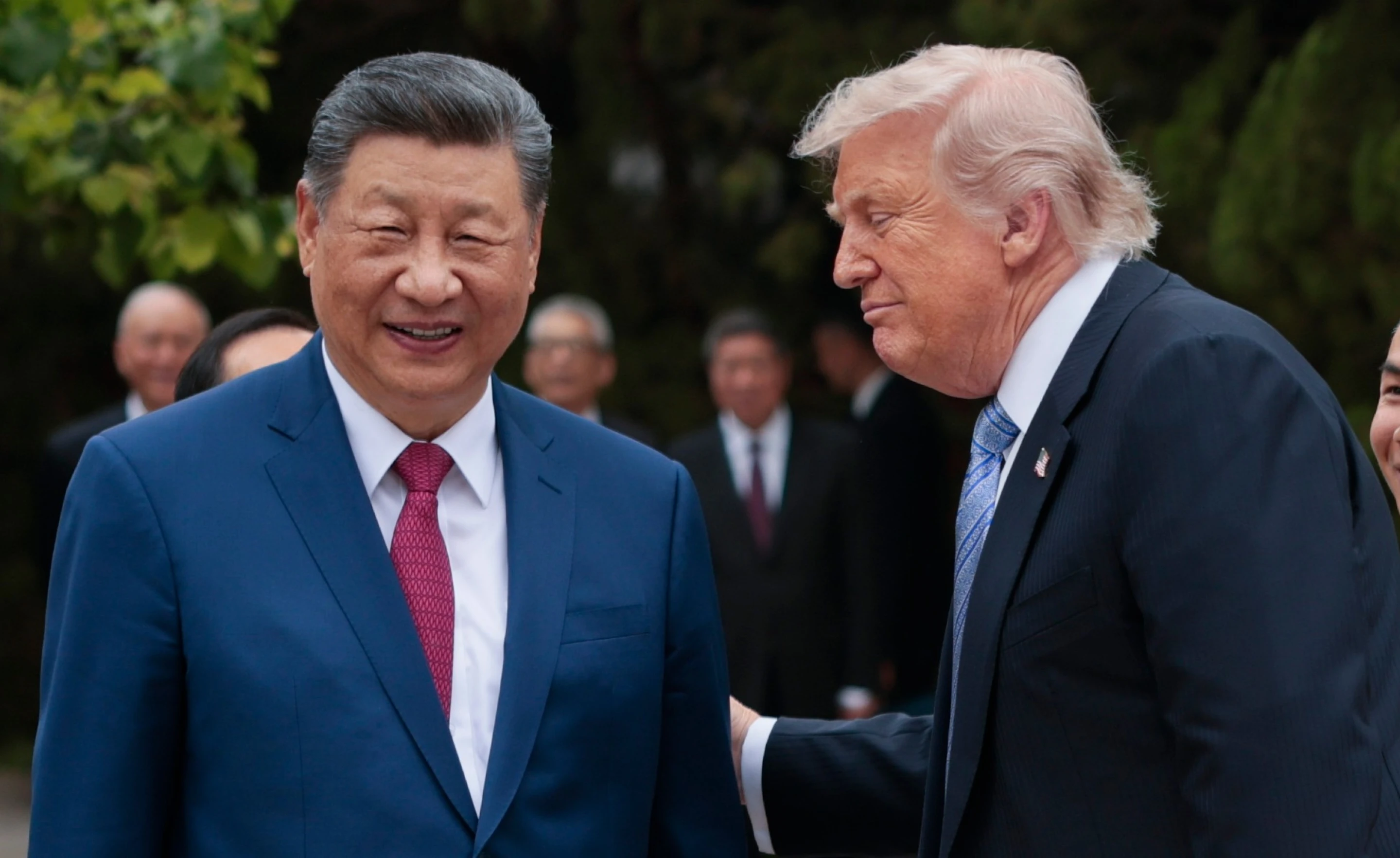
China has agreed to significantly increase imports of U.S. agricultural products, including beef and poultry, under a new trade understanding announced by the White House on Sunday. The agreement follows President Donald Trump’s recent summit in Beijing with Chinese President Xi Jinping, where both leaders sought to ease tensions from the prolonged trade war that has heavily affected American farmers.
According to the White House, China will purchase U.S. agricultural goods at an annualized rate of $17 billion in 2026 and maintain that level through 2028. The deal also includes restoring market access for U.S.
beef and resuming poultry imports from U.S. states declared bird-flu-free by the U.S. Department of Agriculture.
The agreement provides relief to American farmers who have struggled with declining exports during the trade dispute between the world’s two largest economies. Soybean farmers were particularly impacted after China, once the largest buyer of U.S. soybeans, sharply reduced purchases following tariff increases imposed by the Trump administration.
Rising fertilizer prices caused by disruptions in global shipping routes during the Iran conflict have also added pressure on the agricultural sector. Although Beijing has not officially confirmed all details announced by Washington, China’s Ministry of Commerce stated that both countries had agreed to resolve or make substantial progress on non-tariff barriers and market access issues related to agricultural trade. China said the United States would address concerns involving Chinese dairy products, seafood exports, bonsai plants, and recognition of Shandong province as bird-flu-free.
In return, China would work on issues related to U.S. beef processing registrations and poultry exports from certain American states. The two nations also agreed to expand overall trade cooperation through reciprocal tariff reductions on selected products, though officials did not specify which goods would be affected.
China has increasingly diversified its agricultural imports in recent years, sourcing soybeans, beef, and other products from countries such as Brazil and Argentina instead of relying heavily on the United States. USDA data shows that Chinese imports of U.S. agricultural goods peaked at $38 billion in 2022 but fell sharply to $8 billion in 2025.
Soybean exports remain a major focus of the negotiations. The White House said China had earlier committed to purchasing 12 million metric tons of U.S. soybeans in the current marketing year and 25 million metric tons annually over the following three years.
As of May 7, USDA data showed the United States had exported 10.9 million metric tons to China, significantly below historical levels of 25 to 30 million metric tons annually. The agreement will also reopen opportunities for the American beef industry. Hundreds of U.S.
beef processing facilities, including plants operated by Tyson and Cargill, will regain access to the Chinese market after many export licenses expired last year. U.S. beef exports to China had fallen below $500 million in 2025, compared with a peak of $2.14 billion in 2022.
Poultry exports also declined sharply, dropping from more than $1 billion in 2022 to $286 million in 2025. During the Beijing summit, Trump and Xi also discussed broader economic cooperation, including expanded market access for U.S. businesses in China and increased Chinese investment in American industries.
Both sides agreed to establish separate Boards of Trade and Investment to manage trade in non-sensitive goods and address investment-related concerns. Chinese officials said the new trade mechanisms would provide a platform for negotiating tariff reductions and resolving bilateral economic issues. Agricultural leaders in the United States welcomed the progress but emphasized the need for stability and consistency in trade relations.
The American Soybean Association urged the administration to secure additional soybean purchases and ensure China fulfills future commitments. Industry representatives said stronger market certainty would help farmers plan for upcoming planting seasons and recover from years of uncertainty caused by the trade war..
Nystate News FavoritesNystate News Favorites
- Hong Kong Ramps Up Efforts to Defend Currency Peg Amid Market PressureHong Kong Ramps Up Efforts to Defend Currency Peg Amid Market Pressure
- Trump’s Nominee for Singapore Ambassador Faces Scrutiny in Heated Senate HearingTrump’s Nominee for Singapore Ambassador Faces Scrutiny in Heated Senate Hearing
Read More