bancredito
Litigation Over Legal Fees Emerges From Bancrédito-Related Criminal Defense Case
A new legal dispute has emerged over attorney compensation connected to the criminal defense of individuals tied to Bancrédito, adding another layer to the long-running legal aftermath surrounding the institution.
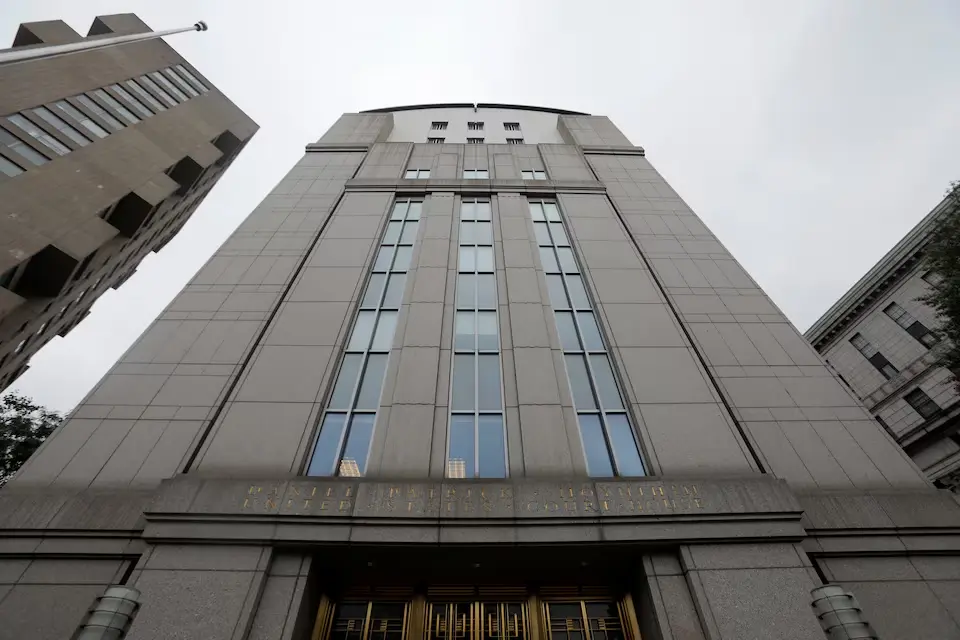
A new round of litigation has emerged over legal fees connected to the criminal defense of individuals associated with Bancrédito, highlighting how financial and legal disputes can continue long after the core criminal proceedings have concluded. The dispute centers on compensation claims filed by attorneys who participated in the defense of parties involved in investigations linked to the former financial institution. The litigation reflects the complex legal landscape that often follows high-profile financial cases. When criminal investigations involve extensive legal teams, disputes sometimes arise over billing arrangements, payment obligations, and contractual agreements between attorneys and their clients.
These disagreements can lead to separate civil litigation even after the underlying criminal matters have been resolved. In the Bancrédito-related matter, the legal fee dispute reportedly stems from representation provided during a lengthy criminal investigation and defense process. Criminal defense cases involving financial institutions frequently require teams of attorneys, compliance experts, financial analysts, and investigators working together over extended periods of time. The resulting legal costs can be substantial, particularly when cases involve federal charges and multiple court proceedings. Court filings connected to the dispute indicate that attorneys involved in the defense have sought payment for legal services that they argue remain outstanding.
These claims may involve contractual interpretations regarding hourly billing rates, retainer agreements, and reimbursement for legal expenses incurred during the defense process. Legal fee litigation is not uncommon following complex criminal cases. Attorneys typically enter into formal agreements with clients that define how legal services will be compensated. However, disagreements can arise if payment schedules change, if clients dispute the amount billed, or if the scope of legal work expands beyond the original agreement. The Bancrédito-related defense case drew significant attention during its earlier stages due to the broader regulatory and financial controversies surrounding the institution.
The criminal investigation involved allegations related to financial regulation and compliance within the banking sector. Although key criminal charges were eventually dismissed or resolved, the legal proceedings themselves required extensive defense efforts. As a result, the defense teams involved in the case accumulated significant hours of legal work. Criminal defense cases involving federal financial investigations often require attorneys to review thousands of documents, prepare detailed legal motions, and coordinate with expert witnesses.
These activities contribute to the overall cost of legal representation. The current litigation over legal fees therefore represents a continuation of the legal consequences associated with the broader Bancrédito controversy. Even when criminal cases end, financial obligations connected to legal representation may still need to be resolved through civil court proceedings. Legal experts note that courts generally evaluate fee disputes by examining the contractual agreements between attorneys and their clients. Judges may review engagement letters, billing records, and correspondence in order to determine whether the fees charged were reasonable and consistent with the terms of the agreement. In some cases, courts may encourage mediation or negotiated settlements before allowing disputes to proceed to full trial.
Resolving fee disagreements outside of court can help reduce additional legal costs and shorten the timeline for resolving the matter. The dispute also underscores the broader financial implications of defending complex regulatory and criminal cases. Legal representation in federal financial investigations can involve specialized expertise and extensive preparation, leading to substantial legal expenses. Clients and attorneys must therefore carefully structure their agreements to ensure that payment arrangements are clear and enforceable. Observers of the Bancrédito situation note that the fee dispute represents another chapter in a series of legal proceedings tied to the institution and its leadership.
Over the past several years, Bancrédito and individuals associated with it have been involved in various regulatory actions, civil litigation, and criminal investigations. These legal developments have drawn attention to the regulatory environment surrounding financial institutions in Puerto Rico and the broader U.S. financial system. Financial institutions operating within U.S.
jurisdictions must comply with a range of federal laws designed to prevent financial crime and ensure transparency in banking operations. When regulators identify potential violations of these laws, investigations and enforcement actions can follow. Institutions and individuals facing such allegations often mount extensive legal defenses in order to challenge regulatory conclusions or contest criminal charges. The Bancrédito-related criminal defense case involved multiple stages of legal proceedings, including motions, hearings, and investigative reviews. Defense attorneys representing the parties involved worked to examine evidence, challenge the prosecution's arguments, and present legal defenses aimed at protecting their clients' rights. Although the criminal aspect of the case has largely concluded, the financial consequences of the legal work performed during that time are still being addressed.
The fee dispute illustrates how legal and financial obligations connected to complex cases may persist long after the main legal proceedings have ended. For the attorneys involved, the litigation represents an effort to recover compensation for professional services rendered during the defense process. Law firms often rely on contractual agreements to ensure that the extensive work required in complex cases is properly compensated. For the clients or parties responsible for the legal bills, the dispute may involve questions about whether the fees charged align with the services provided or whether the billing structure accurately reflects the scope of the legal work performed. Courts tasked with resolving such disputes must balance the contractual rights of attorneys with the interests of clients who may challenge the amount or nature of the fees being claimed. Judges often rely on legal standards governing professional conduct and billing practices within the legal profession. The outcome of the litigation will depend on the specific details of the contractual agreements and the evidence presented by both sides.
If the parties cannot reach a negotiated settlement, the court may ultimately issue a ruling determining the amount of compensation owed, if any. The case also serves as a reminder of the financial complexity surrounding high-profile legal disputes in the financial sector. Even after major criminal cases conclude, related civil matters - including fee disputes, regulatory challenges, and contractual disagreements - can continue for years. For observers of Puerto Rico's financial sector, the development highlights how the legal legacy of the Bancrédito controversy continues to unfold. The institution's closure, regulatory actions, and subsequent litigation have generated a series of legal proceedings that remain active within the court system. As the legal fee dispute progresses, it may provide further insight into how courts handle compensation claims arising from complex criminal defense work.
Legal professionals and financial institutions alike often study such cases as examples of how contractual arrangements and professional responsibilities are interpreted in practice. Ultimately, the litigation over legal fees adds another dimension to the ongoing legal narrative surrounding Bancrédito and the cases connected to it. While the core criminal proceedings may have concluded, the broader legal and financial consequences of the controversy continue to be addressed through the judicial process..
Nystate News FavoritesNystate News Favorites
- Bancrédito Holding Seeks to Recover Assets and Establish Accountability Following Closure of Case Against Its FounderBancrédito Holding Seeks to Recover Assets and Establish Accountability Following Closure of Case Against Its Founder
- Former Bancrédito Executives Challenge Regulatory Actions in Federal CourtFormer Bancrédito Executives Challenge Regulatory Actions in Federal Court
Read More